
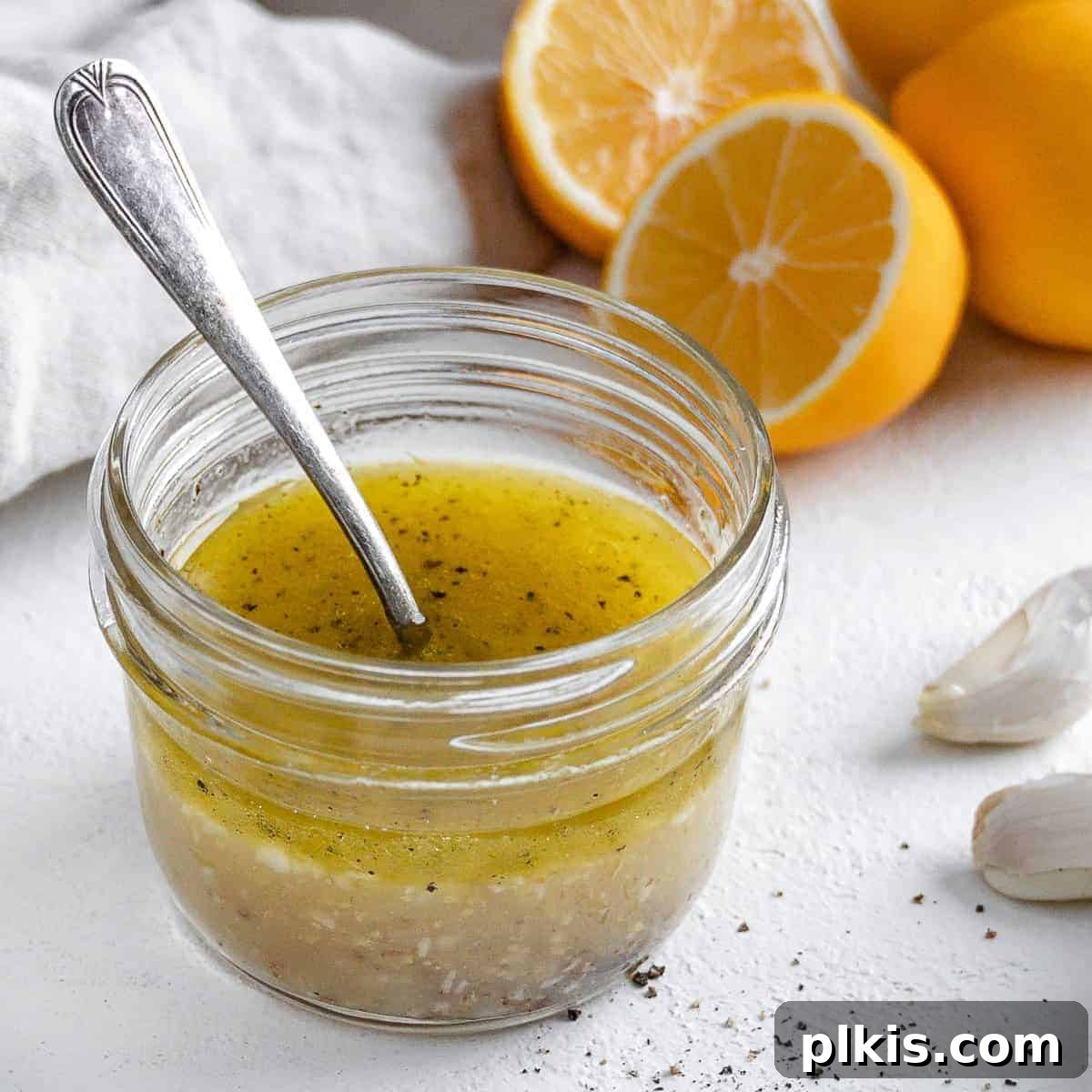
Transform your meals with a burst of vibrant flavor! This homemade lemon dressing is an absolute game-changer, promising to elevate even the simplest dishes from ordinary to extraordinary. Crafted with everyday ingredients you likely already have on hand, this classic vinaigrette delivers a perfect balance of zesty, sweet, and savory notes. Say goodbye to store-bought bottles and hello to fresh, wholesome taste – all prepared in under 5 minutes!
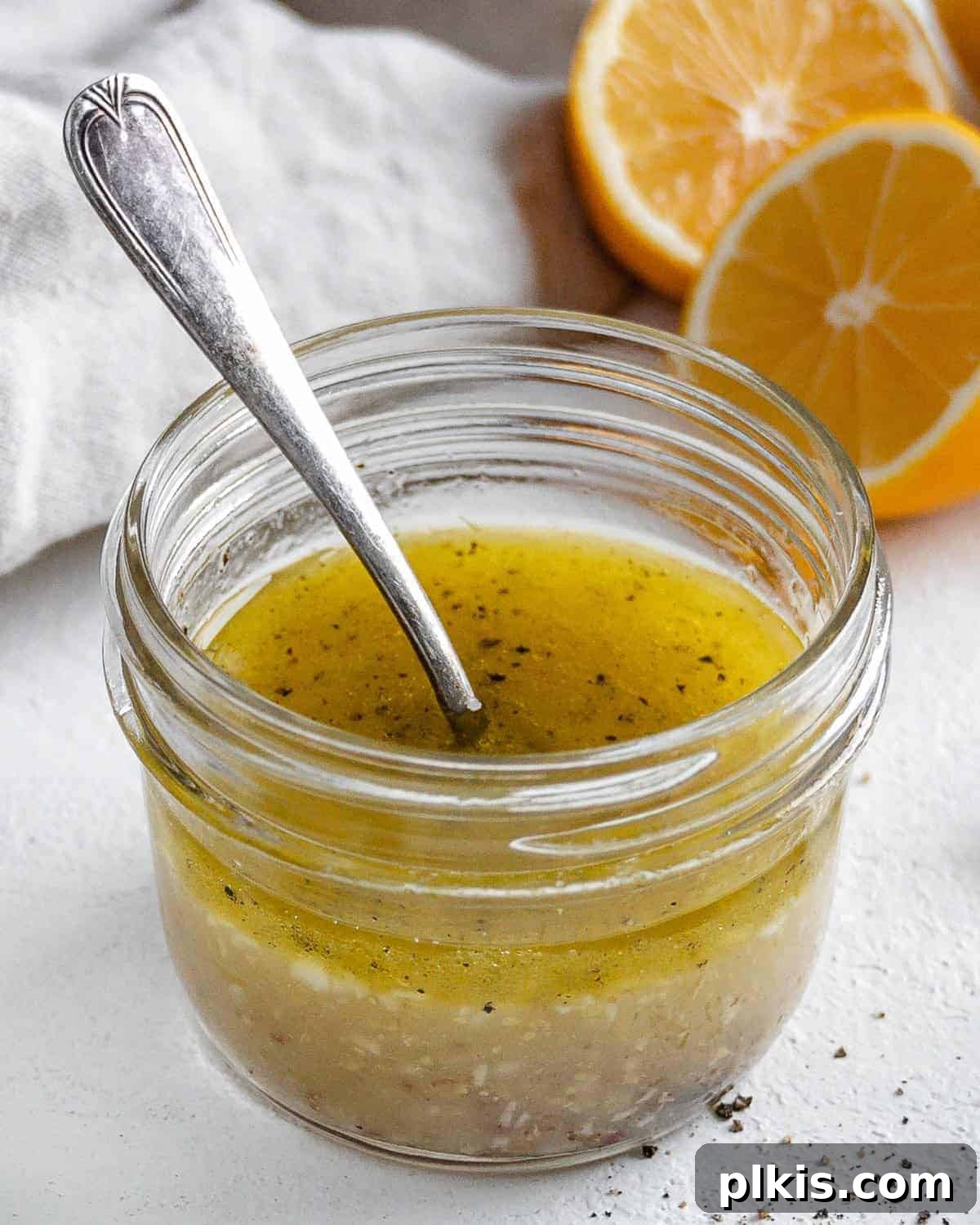
Have you ever considered the magic of creating your favorite salad dressings right in your own kitchen? Not only is it incredibly satisfying, but it also offers a host of benefits that make it a truly smart choice. Beyond saving you a trip to the grocery store, making dressings from scratch is a fantastic way to cut down on expenses. We’ve explored this with our delightful Homemade Basil Salad Dressing and our invigorating Slaw Dressing with a Kick, and the resounding conclusion is always the same: nothing quite compares to the fresh, authentic taste of homemade!
Zesty & Bright: The Ultimate Homemade Lemon Dressing Recipe (5-Minute Vegan Vinaigrette!)
Discover how effortlessly you can infuse your salads, roasted vegetables, and even marinades with the sensational tang of fresh lemon. This comprehensive guide will walk you through crafting a vibrant, healthy, and incredibly versatile lemon dressing that will become a staple in your kitchen. Whether you’re a seasoned chef or a beginner cook, this recipe is designed for simplicity and maximum flavor impact.
Why Choose Homemade Lemon Dressing? A World of Flavor and Health Benefits
Opting for homemade dressings, especially one as bright and flavorful as this lemon vinaigrette, brings a multitude of advantages. Beyond the obvious cost savings, you gain control over ingredients, allowing for a healthier and more personalized culinary experience. Here are compelling reasons to ditch the store-bought bottles and embrace the joy of DIY dressing:
Effortless & Time-Saving: Ready in Just 5 Minutes!
In our fast-paced lives, convenience is key. This lemon dressing is a testament to how quick and easy healthy eating can be. Forget about long prep times; this recipe requires minimal effort. Simply gather your ingredients, give them a good whisk or shake, and in literally just five minutes, you’ll have a fresh, flavorful dressing ready to go. It’s the perfect solution for busy weeknights or when you need a quick flavor boost for any dish.
Healthier Choices: Know What You’re Eating
One of the most significant advantages of making your own lemon dressing is the peace of mind that comes with knowing exactly what goes into it. Commercial dressings are often laden with artificial additives, preservatives, excessive sugars, and unhealthy oils. By crafting your own, you ensure that every ingredient is natural, plant-based, and free from undesirable components. You’re fueling your body with wholesome goodness, free from worries about hidden chemicals or unnecessary calories.
Customize to Your Heart’s Content
Unlike rigid store-bought options, homemade lemon dressing offers unparalleled flexibility. This recipe provides a perfect base, but it’s truly a canvas for your culinary creativity. Do you prefer a sweeter profile? Add a touch more agave or maple syrup. Craving extra zing? Boost the lemon juice. Love garlic? Don’t hesitate to toss in an extra clove or two. This freedom to customize means your dressing will always perfectly match your personal taste and the dish you’re preparing, allowing you to follow your heart’s desire in the kitchen!
Unleash Its Versatility: Beyond Salads
Don’t underestimate the power of this vibrantly delicious lemon dressing! While it’s an undeniable star on fresh green salads, its uses extend far beyond. Double the recipe, and you’ll discover its potential as a delightful dip for fresh vegetable sticks, a tenderizing marinade for plant-based proteins, or even a flavorful braising sauce for hearty vegetables. Its bright acidity and savory depth make it an incredibly adaptable component for countless recipes, adding a fresh twist to anything it touches.
Budget-Friendly Flavor: Smart Savings
In addition to all these benefits, making your own lemon dressing is an incredibly smart financial move. The cost of a single bottle of premium dressing from the grocery store can often outweigh the cost of all the ingredients needed to make multiple batches at home. By utilizing staple ingredients, you’re not only saving money on each batch but also reducing impulse purchases and trips to the store, making it a truly budget-wise choice.
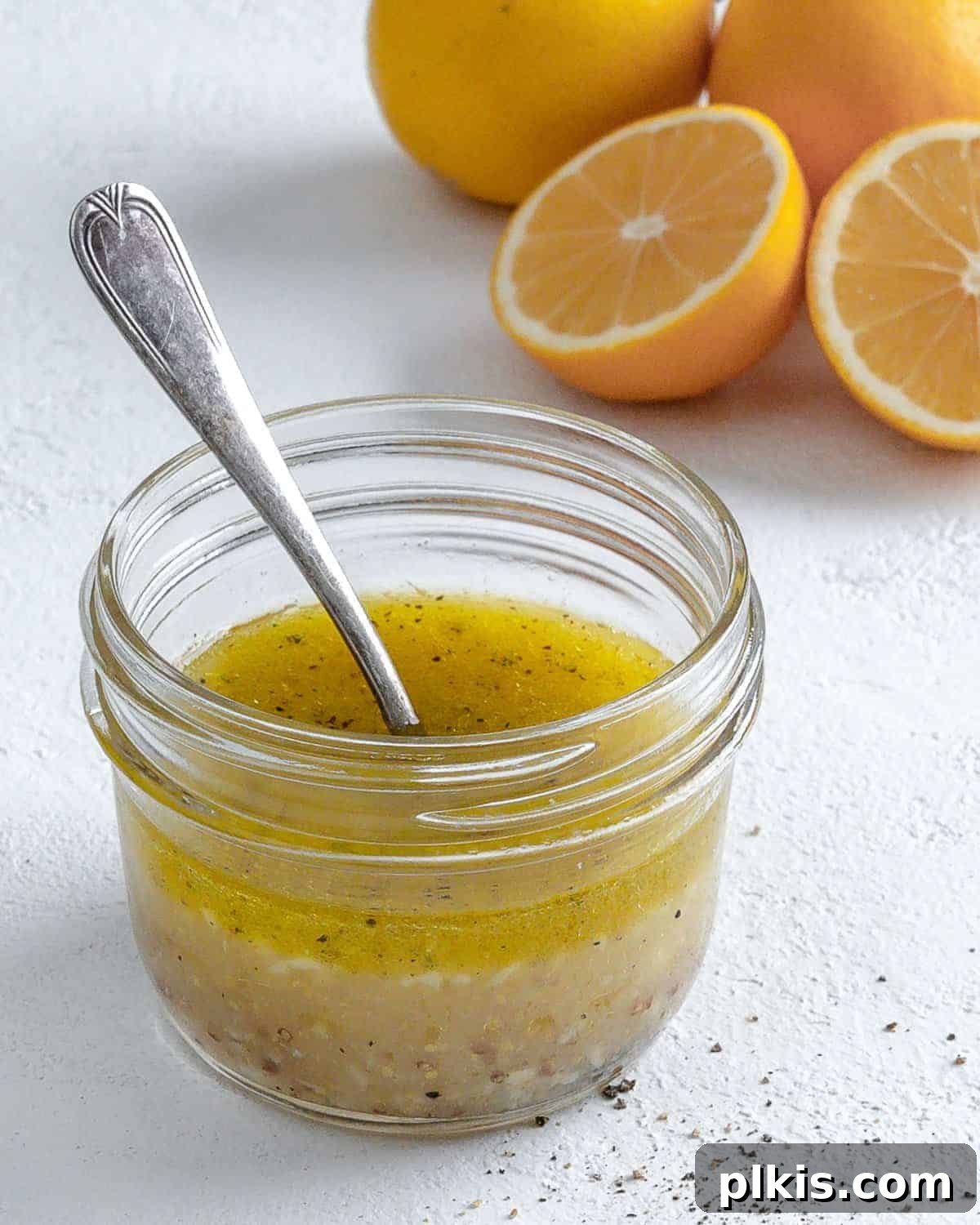
Essential Ingredients for Your Perfect Lemon Vinaigrette
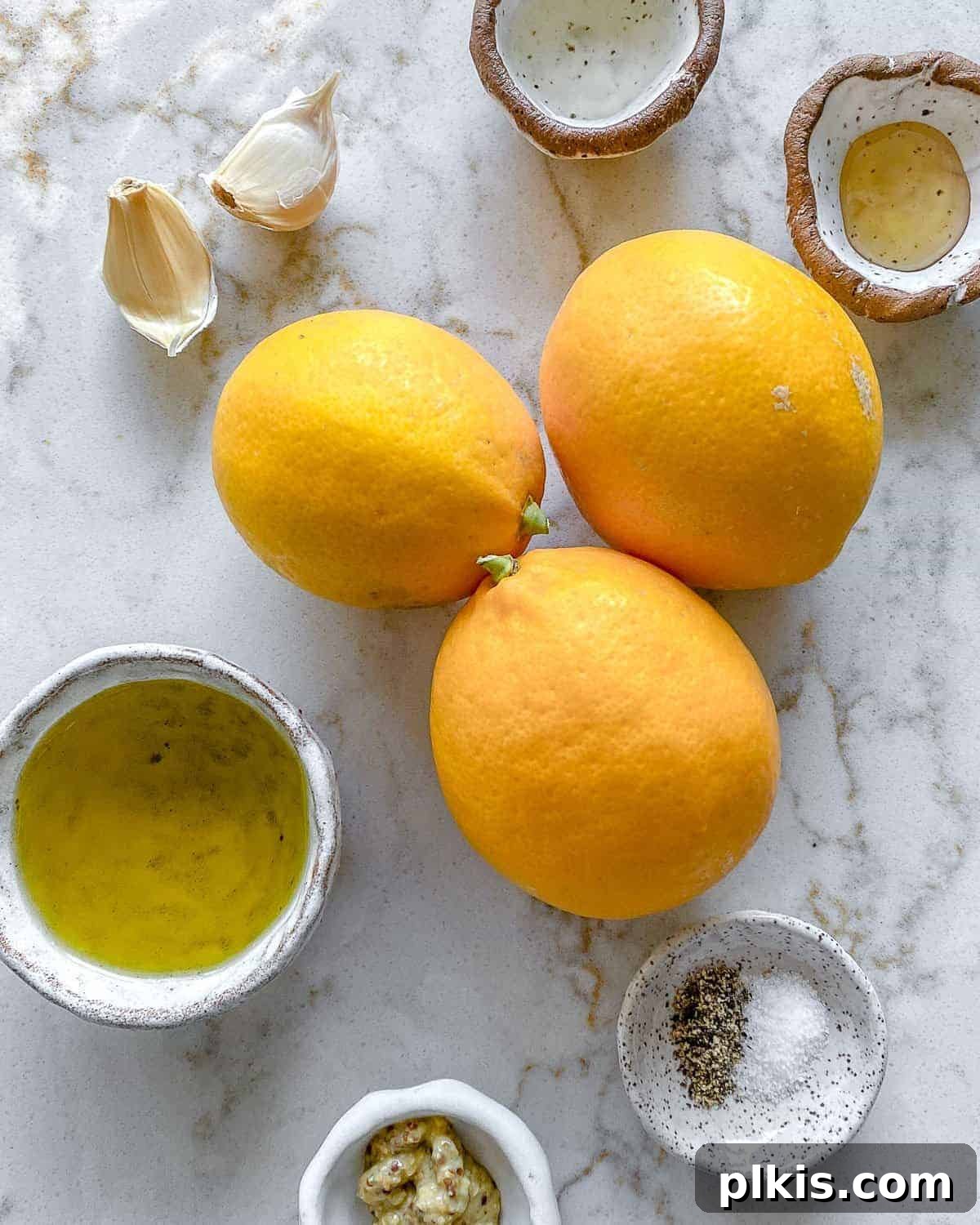
You might be surprised to find that all the core components for this fantastic lemon dressing are likely already staples in your pantry and refrigerator. If you’re yearning for a delightful topping for your crisp kale salad, vibrant mixed greens, or even a simple plate of roasted vegetables, a quick rummage is all it takes to gather these:
The Star: Fresh Lemon Juice
- Lemon Juice: The undisputed star of this dressing, fresh lemon juice provides that signature bright, zesty, and tangy flavor. For the best results, we highly recommend freshly squeezed juice from 1 large or 2 medium lemons. Fresh lemons possess an unparalleled vibrant zing that simply cannot be replicated by bottled alternatives. However, if you’re in a pinch, a good quality bottled lemon juice can be used as a substitute, though the flavor profile may be slightly less intense.
The Foundation: Quality Olive Oil
- Olive Oil: As the base of our vinaigrette, the quality of your olive oil truly matters. For salad dressings, we consistently advocate for using extra virgin olive oil (EVOO). EVOO is minimally processed, retaining more of its natural nutrients and imparting a rich, fruity, and more pleasant taste compared to refined olive oils. It contributes to the dressing’s smooth texture and luxurious mouthfeel. While EVOO is preferred, other neutral-flavored oils like avocado oil or grapeseed oil can also be used if you prefer a milder flavor.
Flavor Boosters: Garlic, Dijon, Sweetener & Vinegar
- Garlic: A crucial ingredient for adding a delightful punch of savory depth and aromatic complexity to your dressing. Freshly minced garlic is always best, providing a pungent warmth that perfectly complements the bright lemon.
- Dijon Mustard: This ingredient is a secret weapon! Dijon mustard not only adds a robust, tangy, and subtly spicy undertone, lending a sophisticated depth of flavor that elevates an otherwise ordinary dressing, but it also acts as a natural emulsifier. This helps bind the oil and lemon juice together, preventing separation and creating a smooth, cohesive vinaigrette.
- Agave: A mere ½ teaspoon of agave nectar adds the perfect touch of balanced sweetness, harmonizing with the tartness of the lemon. If you prefer a sweeter dressing, feel free to adjust the amount to your liking. Maple syrup is an excellent alternative, or you can use plain granulated sugar if agave is not available.
- Rice Vinegar: Characterized by its sweeter and more delicate flavor profile compared to harsher white vinegar, rice vinegar contributes a subtle tang and complexity. It rounds out the flavors without overpowering the lemon. If you don’t have rice vinegar, apple cider vinegar makes a wonderful substitute, offering a similar mild acidity.
Seasoning to Taste: Salt & Pepper
- Salt: Essential for enhancing all the other flavors in the dressing and bringing them into perfect harmony.
- Pepper: Freshly ground black pepper adds a subtle warmth and a gentle aromatic kick, completing the flavor profile. Adjust to your personal preference.
Step-by-Step: Crafting Your Zesty Lemon Dressing
Making this incredible lemon dressing is truly as simple as gathering your ingredients and giving them a good mix. There are two primary methods you can use, both yielding fantastic results:
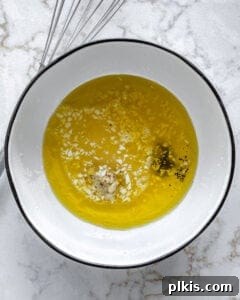
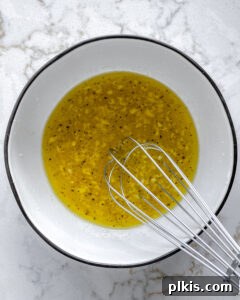
- The Mixing Bowl Method: In a medium-sized mixing bowl, combine all your prepped ingredients: fresh lemon juice, olive oil, minced garlic, Dijon mustard, agave, rice vinegar, salt, and pepper. Using a small whisk, vigorously whisk the mixture until all ingredients are thoroughly combined and the dressing appears smooth and slightly emulsified. The Dijon mustard plays a key role here in helping the oil and water-based ingredients bind together.
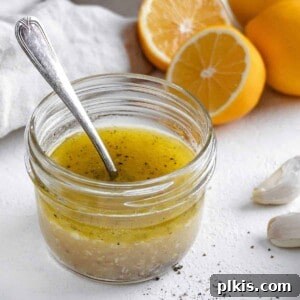
- The Jar Method: For an even quicker and mess-free approach, place all the ingredients into a clean glass jar with a tight-fitting lid. Secure the lid firmly, then shake the jar vigorously for about 30-60 seconds, or until the dressing is well combined and emulsified. This method is excellent for quick preparation and for storing the dressing.
Once prepared, you can use the dressing immediately. However, for an even deeper and more harmonious flavor profile, allow the dressing to rest for 10-15 minutes at room temperature. This brief resting period allows the flavors to mingle and intensify, resulting in a more complex and satisfying dressing. Then, drizzle generously over your favorite salads, grain bowls, or roasted vegetables and enjoy!

Expert Tips for the Best Lemon Dressing Ever
While this lemon dressing recipe is straightforward, a few expert tips can elevate your creation from great to absolutely phenomenal. Keep these pointers in mind to ensure your homemade vinaigrette is always a culinary triumph:
Mastering the Oil-to-Acid Ratio
The standard ratio for a classic vinaigrette is typically 3 parts oil to 1 part acid. For this particular recipe, we’ve used a 3:2 oil to acid ratio (e.g., 3 tablespoons oil to 2 tablespoons combined lemon juice and vinegar), which results in a slightly brighter and tangier dressing perfect for salads. If you plan to use this dressing for marinades, especially for grilling or roasting dishes, you might want to adjust this ratio. For marinades, increasing the oil content can help tenderize and prevent drying, while a higher acid content can overwhelm delicate flavors. Feel free to modify the ratio to better suit your specific recipe and cooking method.
Elevate Flavor with Fresh Herbs
While delicious on its own, this lemon dressing is an ideal canvas for incorporating your favorite fresh herbs. A small pinch of finely chopped fresh basil, chives, dill, or parsley can infuse the dressing with an incredible aromatic depth and complexity, taking it to the next level of gourmet flavor. Experiment with different combinations to discover your perfect herbal enhancement. To keep your herbs fresh and vibrant for longer, check out this great guide on how to properly store herbs.
Always Taste Test: The Green’s Influence
This is arguably the most crucial tip! When you taste the dressing on its own, you might find it overly tangy, too savory, or perhaps too sweet. However, dressings are designed to complement and balance the flavors of the food they’re served with. Before making any adjustments, try scooping a small amount of your dressing onto a piece of lettuce or kale. Taste it together with the greens to truly understand how the flavors interact and play against each other. The bitterness or earthiness of your greens can drastically change the perceived taste of the dressing. Only after this ‘real-world’ taste test should you make any final adjustments to suit your palate.
Add a Spicy Kick: Red Pepper Flakes & Beyond
For those who appreciate a bit of heat, a pinch of red pepper flakes can provide a wonderful, subtle kick to your lemon dressing. This adds another layer of flavor and a pleasant warmth. Beyond red pepper flakes, consider a tiny dash of cayenne pepper or a very finely minced fresh chili for a more pronounced heat. Remember to add sparingly and taste as you go!
Achieving Perfect Emulsification
Emulsification is key to a creamy, cohesive dressing that doesn’t separate. Dijon mustard is a natural emulsifier, helping to bind the oil and acid. When whisking, start by combining the lemon juice, vinegar, mustard, garlic, and sweetener first. Then, slowly drizzle in the olive oil while continuously whisking vigorously. This slow addition helps the oil incorporate smoothly into the water-based ingredients. If using the jar method, ensure you shake it very well until no distinct layers of oil and liquid are visible.
Frequently Asked Questions About Homemade Lemon Dressing
Even with simple recipes, questions can arise. Here are some common queries about making and using homemade lemon dressing, along with helpful answers:
Why is my dressing runny?
A runny dressing often indicates an imbalance in the oil-to-acid ratio, specifically that you might have added too much vinegar or lemon juice relative to the oil. Additionally, ensure you haven’t skipped the Dijon mustard! Dijon acts as a crucial emulsifier, helping to bind the oil and lemon juice together into a cohesive dressing. Without enough mustard, the dressing might struggle to thicken and stay together.
Should I refrigerate my dressing?
Absolutely, yes! Since this dressing is made with fresh, natural ingredients, particularly fresh lemon juice and potentially fresh garlic, it is highly perishable. To prevent spoilage and maintain its freshness, it’s best to store your homemade lemon dressing in the refrigerator as soon as possible after preparation. This significantly extends its shelf life.
Why is the oil in my dressing separating?
Oil separation is a common occurrence with vinaigrettes and typically means your dressing is not sufficiently emulsified. While Dijon mustard and agave (or maple syrup) help in the emulsification process, if you used less of these, or didn’t whisk/shake vigorously enough, separation can happen. Don’t worry, this is completely normal and easily fixed! A simple stir with a spoon or a quick shake of the jar will bring the dressing back together. Just shake it up before each use.
Can I make this oil-free?
Yes, you can adapt this recipe to be oil-free, though it will result in a much thinner consistency that functions more like a sauce or marinade. To make it oil-free, simply omit the olive oil. You might want to increase the agave slightly to balance the acidity, and you can add a tablespoon of tahini or a spoonful of soaked cashews (blended until creamy) to give it some body and a richer mouthfeel.
Can I use dried herbs instead of fresh?
While fresh herbs are generally recommended for their vibrant flavor, you can certainly use dried herbs if that’s what you have on hand. Remember that dried herbs are more concentrated than fresh ones, so you’ll need to use a smaller amount – typically about one-third of the fresh herb quantity. For example, if a recipe calls for 1 tablespoon of fresh parsley, use 1 teaspoon of dried parsley. Allow the dressing to sit for a bit longer to let the dried herbs rehydrate and release their flavor.
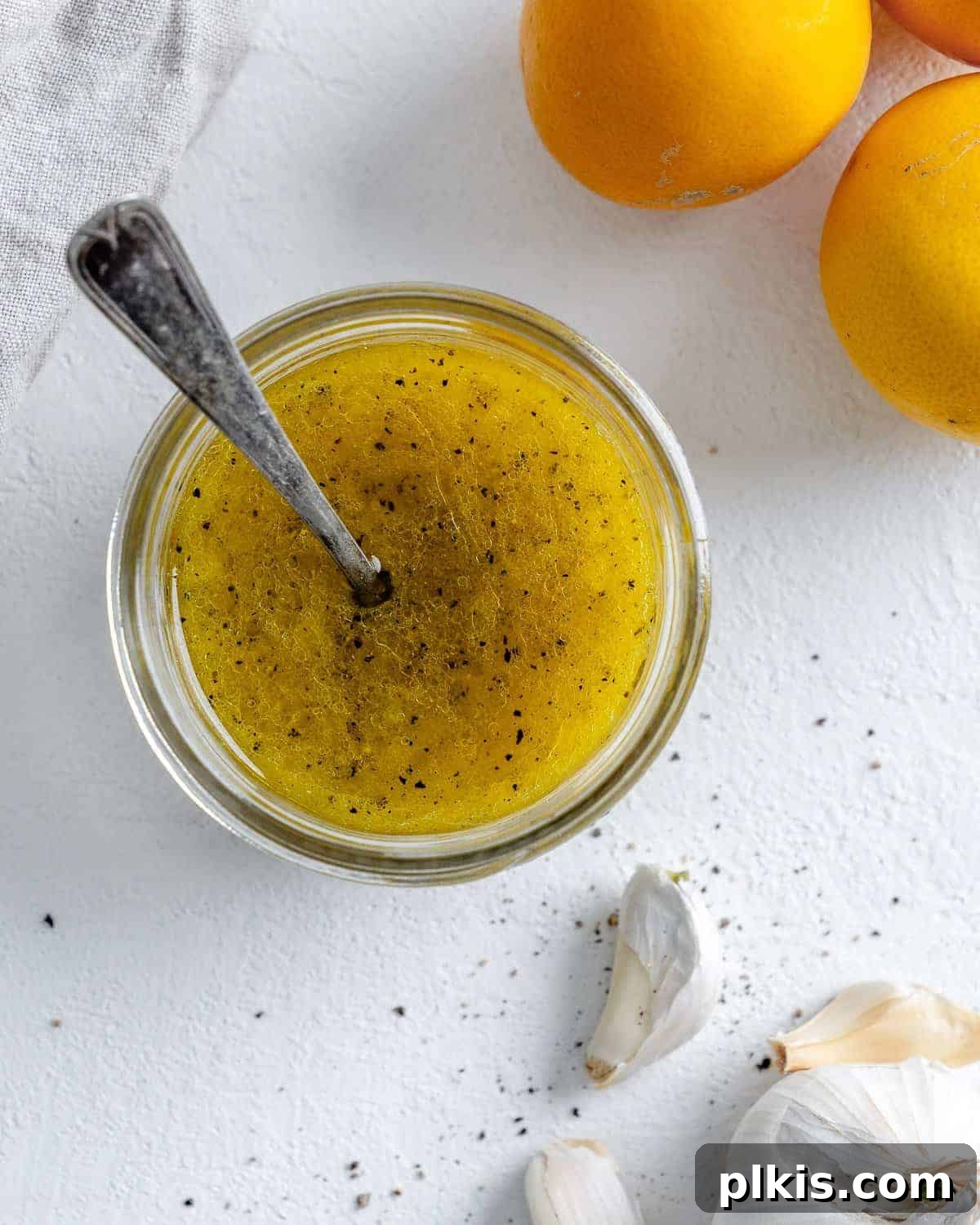
Storing Your Homemade Lemon Dressing for Lasting Freshness
Proper storage is crucial to enjoying your delicious homemade lemon dressing for as long as possible. Here’s how to keep it fresh and flavorful:
- Refrigeration: Once prepared, transfer your lemon dressing to a clean, sterile glass jar with a tightly fitting lid. Store it promptly in the refrigerator. The cool temperature will inhibit bacterial growth and preserve the fresh ingredients.
- Shelf Life: While the dressing tastes fantastic when freshly made, the flavors tend to meld and deepen over time in the fridge. However, for optimal freshness and safety, aim to consume your homemade lemon dressing within one week.
- Signs of Spoilage: Always trust your senses. If the dressing develops an off or rancid smell, or if you notice any visible mold or unusual discoloration, it’s best to discard it immediately.
- Extra Virgin Olive Oil Solidification: Don’t be alarmed if your dressing appears cloudy or solidifies in the refrigerator. This is a perfectly normal characteristic of extra virgin olive oil when exposed to cold temperatures. Simply remove the dressing from the fridge about 15-30 minutes before you plan to use it and let it thaw at room temperature. Give it a good shake or stir, and it will return to its liquid state and original consistency.
Explore More Easy Homemade Vegan Salad Dressings
If you’ve enjoyed the simplicity and deliciousness of this lemon dressing, you’ll love exploring other homemade vegan dressing options. Expanding your repertoire of dressings means you’ll always have a fresh, flavorful, and healthy option to elevate any meal. Here are a few more fantastic recipes to inspire your culinary adventures:
- Japanese Carrot-Ginger Salad Dressing: Experience a delightful fusion of flavors with this bright, tangy, and zesty sauce. It’s incredibly easy to make, 100% plant-based, and a remarkably useful staple to have on hand. Beyond being an excellent dressing for fresh or grilled vegetables, its vibrant, gingery notes can be stirred into soups and stews for an unexpected flavor boost.
- Cilantro and Green Chili Dressing: For those who love bold and herbaceous flavors, this tangy, zesty, and brightly flavored dressing is a must-try. It has the power to instantly elevate your main dishes, roasted veggies, and much more. This recipe is naturally gluten-free, completely vegan, and can be whipped up in just 15 minutes, making it perfect for quick flavor infusions.
- Slaw Dressing with a Kick!: Reinvent your coleslaw with this irresistibly creamy, slightly tangy, and perfectly balanced dressing that boasts a touch of sweetness and a hint of spiciness. It’s undeniably delicious! This vegan version is entirely mayo-free, gluten-free, and comes together in a mere 6 minutes, proving that healthy and flavorful can also be incredibly quick.
Photos by Alfonso Revilla
Lemon Dressing
5 minutes
0 minutes
5 minutes
4
servings
Equipment
-
Measuring spoons
-
Small Whisk
-
Mixing Bowl
Ingredients
- 3 Tablespoons of lemon juice
- 2 Tablespoons of olive oil
- 2 cloves of minced garlic
- 1 ½ teaspoons of Dijon mustard
- ½ teaspoon of agave (or if you don’t have it use sugar)
- ½ teaspoon of rice vinegar
- ¼ teaspoon of salt
- Pepper to taste
Instructions
-
Combine all ingredients in a mixing bowl or jar and whisk or shake it up until well combined.
Notes
- I used a 3:2 oil to acid ratio for this recipe. If you are using it for marinades and braising, feel free to modify this to fit your recipe better. Use more oil, especially when you are grilling or roasting your dish.
- You can add your favorite herbs to make this even more flavorful. A pinch of basil, chives, dill, or parsley will take this dressing to the next level! Here’s a great way to keep your herbs fresh!
- As always, do a taste test! You might think your dressing is too tangy, savory, or sweet when you taste it as it is. But try scooping a bit into lettuce or kale first and see how it plays against the greens. Then make the adjustment after, if needed.
- Add a pinch of red pepper flakes to give your dressing a kick!
Nutrition
Calories: 73kcal
Carbohydrates: 3g
Protein: 1g
Fat: 7g
Saturated Fat: 1g
Polyunsaturated Fat: 1g
Monounsaturated Fat: 5g
Sodium: 167mg
Potassium: 24mg
Fiber: 1g
Sugar: 1g
Vitamin A: 4IU
Vitamin C: 6mg
Calcium: 7mg
Iron: 1mg
Additional Info
Stephanie Lundstrom
Dips and Sauces
American
No Cook
Vegan
Tried this recipe?
Please tag us at @PlantBasedOnABudget! 🙂