

The Ultimate Guide to Vegan Lemon Shortbread Cookies: Crisp, Buttery & Zesty
Imagine biting into a cookie that’s perfectly crisp on the outside, yielding to a tender, melt-in-your-mouth center, all while bursting with bright, tangy lemon flavor. Now, imagine it’s entirely plant-based. Welcome to the world of our incredible vegan lemon shortbread cookies – a dairy-free delight that redefines classic shortbread. These cookies are not just a treat for your taste buds; they’re a testament to how delicious and satisfying plant-based baking can be, capturing all the ‘buttery’ richness and crumbly texture you crave, without any dairy or eggs.

Experience the Perfect Vegan Lemon Shortbread: A Zesty Delight for Every Occasion
For those who adore the delicate crunch of shortbread with a refreshing citrus twist, these vegan lemon shortbread cookies are an absolute must-try. Following our recent posts featuring soft and chewy lemon blueberry cookies and aromatic lemon lavender cookies, we’re thrilled to bring you a shortbread recipe that excels in crispness and tender crumb. This recipe delivers a cookie that’s firm enough to hold its shape beautifully, yet crumbles delicately with each bite, creating an irresistible texture contrast.
Our lemon shortbread cookie recipe is a celebration of vibrant lemon flavor, crafted with fewer than ten staple ingredients. It’s the quintessential dessert for springtime gatherings and summer soirées, effortlessly elevating afternoon teas, potlucks, picnics, and celebratory events like baby and bridal showers. Beyond special occasions, these cookies make for a delightful and simple afternoon snack, bringing a ray of sunshine to your day.
One of the many joys of this recipe is its straightforward preparation. Made entirely from pantry-friendly ingredients, it requires minimal mixing and a crucial chilling period to achieve the perfect shortbread structure. For ultimate convenience, the dough can even be rolled into a log and frozen, allowing you to slice and bake fresh cookies whenever a craving strikes. This make-ahead option makes them perfect for busy hosts or anyone who loves the smell of fresh-baked goods without the immediate fuss. Moreover, this versatile lemon shortbread recipe invites customization, offering numerous ways to infuse extra flavor or texture – simply continue reading for our exciting list of top flavor variations.
What makes these vegan shortbread cookies truly exceptional is their inclusive nature. They are completely egg-free and dairy-free, ensuring that everyone can indulge without compromise. With simple adjustments, this recipe can also be made refined sugar-free and/or gluten-free, catering to a wider range of dietary needs while maintaining incredible taste and texture. If your palate craves more lemony goodness, be sure to explore our other fantastic recipes, including a fluffy lemon poppyseed snack cake, refreshing easy vegan lemon bars, a moist lemon loaf cake, charming lemon cupcakes, delectable lemon blueberry scones, and even creamy lemon ice pops.
The Simple Yet Delicious Ingredients
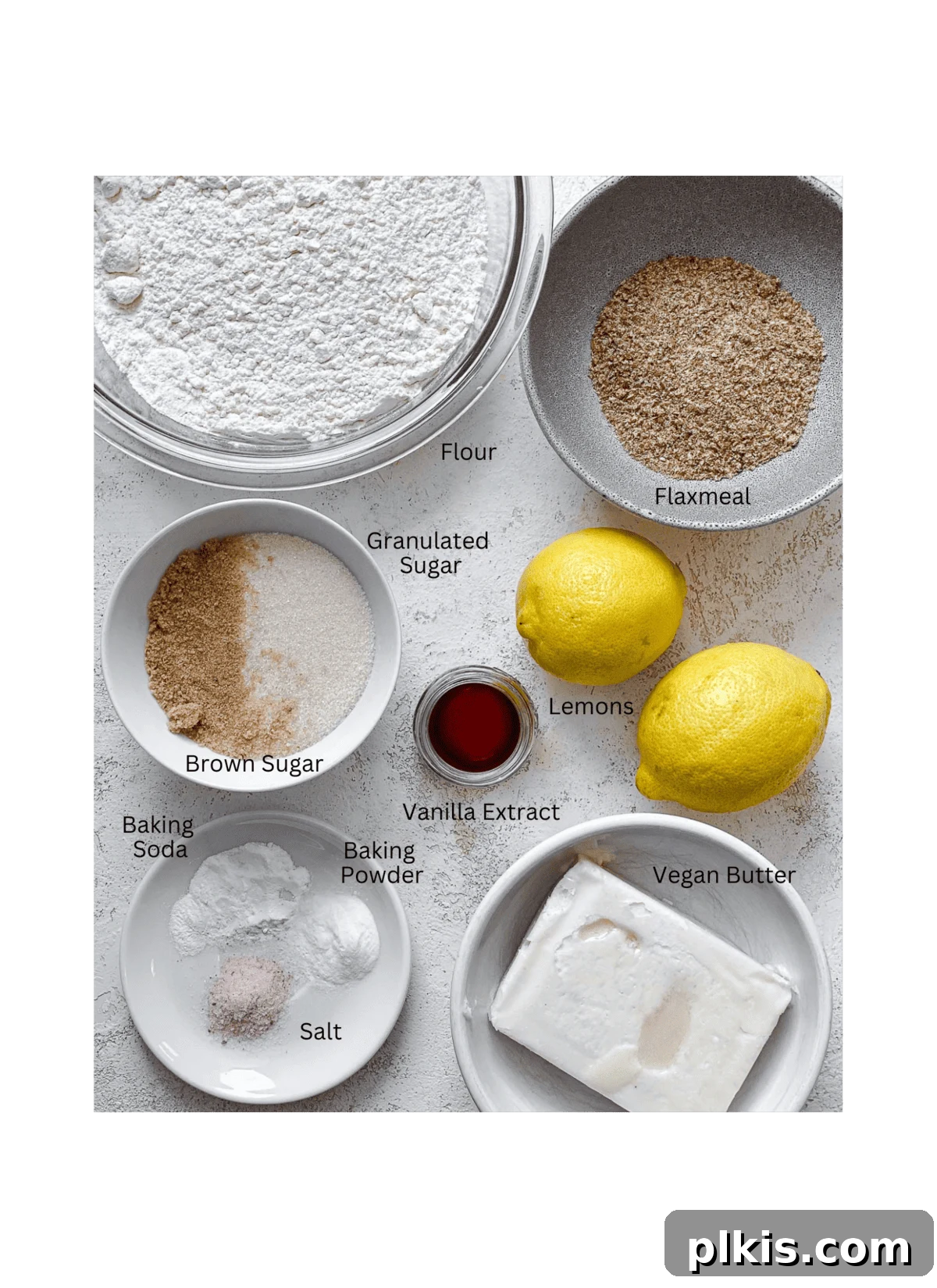
Crafting these exquisite vegan lemon shortbread cookies begins with a selection of readily available pantry staples. Each ingredient plays a crucial role in achieving the perfect balance of flavor, texture, and ‘buttery’ richness.
The Foundation: Dry Ingredients
- All-Purpose Flour: The backbone of our shortbread, regular all-purpose flour provides the ideal structure. For those seeking a gluten-free option, a high-quality gluten-free all-purpose flour blend (such as King Arthur’s) should work beautifully, allowing you to enjoy delicious gluten-free vegan shortbread.
- Sugars – White and Brown: The combination of white granulated sugar and brown sugar is key to the cookie’s nuanced flavor and texture. Granulated sugar contributes to the crisp exterior, while brown sugar adds a subtle chewiness and depth of caramel-like flavor. If you prefer a softer, more melt-in-your-mouth shortbread, you might experiment with using powdered sugar.
- Leavening Agents – Baking Powder and Baking Soda: While shortbread isn’t known for its rise, a small amount of baking powder and baking soda are included in this vegan recipe to contribute to the desired tender, slightly crumbly texture, giving the cookies a delicate lightness without making them cakey.
- Salt: A pinch of kosher or sea salt is essential. It doesn’t just add seasoning; it expertly balances the sweetness of the sugars and enhances the bright zestiness of the lemon, bringing all the flavors into perfect harmony.
The Essence: Wet Ingredients
- Flax Egg: Our plant-based binder, a flax egg is effortlessly created by combining ground flaxseed (or chia seeds) with warm water. This mixture thickens into a gelatinous consistency that effectively replaces eggs, providing structure and moisture to these easy vegan shortbread cookies.
- Vegan Butter: To achieve that authentic ‘buttery’ flavor and rich texture, using a high-quality, room-temperature vegan butter is paramount. Brands like Miyoko’s or Earth Balance are excellent choices, known for their baking performance. While softened coconut oil may work as an alternative, we recommend sticking to vegan butter for the most consistent and delicious results.
- Fresh Lemon – Juice and Zest: The star of the show! A generous amount of fresh lemon juice and vibrant lemon zest infuses these shortbread cookies with their signature bright, tangy, and aromatic flavor. For a different citrus profile, feel free to experiment with lime or orange juice and zest.
- Vanilla Extract: A teaspoon of natural vanilla extract adds a comforting warmth and depth that complements the bright lemon notes beautifully, providing a well-rounded and delightful aroma.
Lemon Shortbread Flavor Variations: Unleash Your Creativity
While classic vegan lemon shortbread is a delight on its own, this recipe serves as a fantastic canvas for culinary creativity. Here are some tantalizing variations to inspire your next batch:
- Lavender: For a sophisticated floral note, add 1 to 1 ½ teaspoons of dried culinary lavender. The subtle perfumed aroma pairs exquisitely with the bright lemon, creating elegant lavender lemon shortbread cookies.
- Rosemary (or Thyme): Introduce an aromatic, sweet, and savory dimension with just 1 tablespoon of finely chopped fresh rosemary or thyme. This unexpected herbal twist adds a layer of complexity that is truly delightful.
- Earl Grey: For a subtle, fragrant tea flavor, mix in about 2 tablespoons of finely crushed Earl Grey tea leaves into the dry ingredients. The bergamot notes of Earl Grey perfectly complement the lemon.
- Chamomile Tea: Similarly, 2 tablespoons of chamomile tea leaves will infuse your shortbread with a delicate, calming floral essence, creating a unique and soothing treat.
- Poppyseeds: For a pleasant crunch and classic pairing, simply stir in 1-2 tablespoons of poppyseeds. These create delightful lemon poppyseed shortbread cookies.
- Dried Fruit: Incorporate about ½-⅔ cup of finely chopped dried blueberries or cranberries for bursts of fruity sweetness and a chewy texture. Dried cranberries and lemon are a particularly winning combination.
- Ginger: For those who love a spicy-sweet kick, add ¼-⅓ cup of finely chopped crystallized ginger. The warm, zesty ginger perfectly harmonizes with the bright lemon for invigorating ginger and lemon shortbread.
- Chopped Nuts: Introduce a delightful crunch and nutty flavor with about ½-⅔ cup of finely chopped nuts such as pistachios, walnuts, or almonds. Lemon pistachio shortbread cookies are a particularly popular and vibrant choice.
- Dairy-Free White Chocolate: Drizzle melted dairy-free white chocolate over the cooled cookies for a creamy, sweet contrast that beautifully complements the tart lemon.
- Simple Lemon Glaze: For an extra layer of lemon flavor and a touch of sweetness, whip up a quick 3-ingredient lemon glaze. Combine 2 tablespoons of lemon juice with enough powdered sugar to achieve a drizzling consistency, then drizzle or dip your vegan lemon shortbread cookies.
How To Make Vegan Lemon Shortbread Cookies: A Step-by-Step Guide
Making these delightful vegan lemon shortbread cookies is a straightforward and rewarding process. Follow these easy steps for perfect results every time.
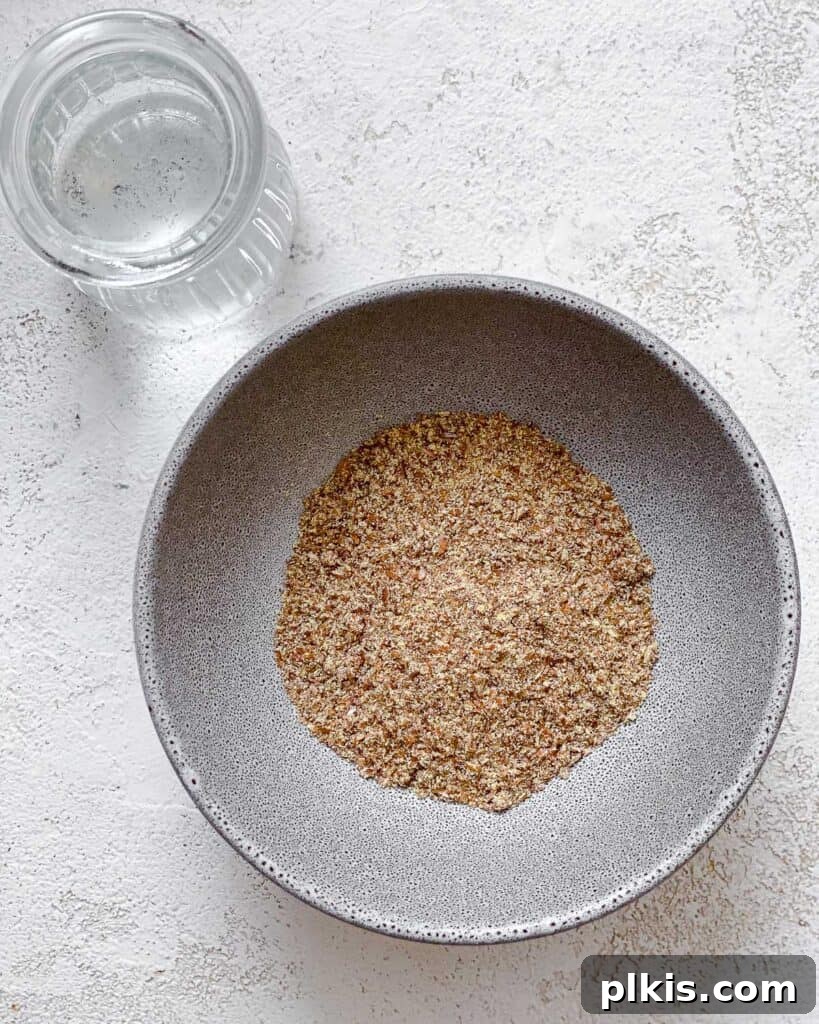
- 1) First, in a small bowl or cup, combine the ground flaxseed with warm water. Mix it well until thoroughly combined, then set it aside for at least 5 minutes to allow it to thicken into a gelatinous “flax egg.” This acts as your plant-based binder.

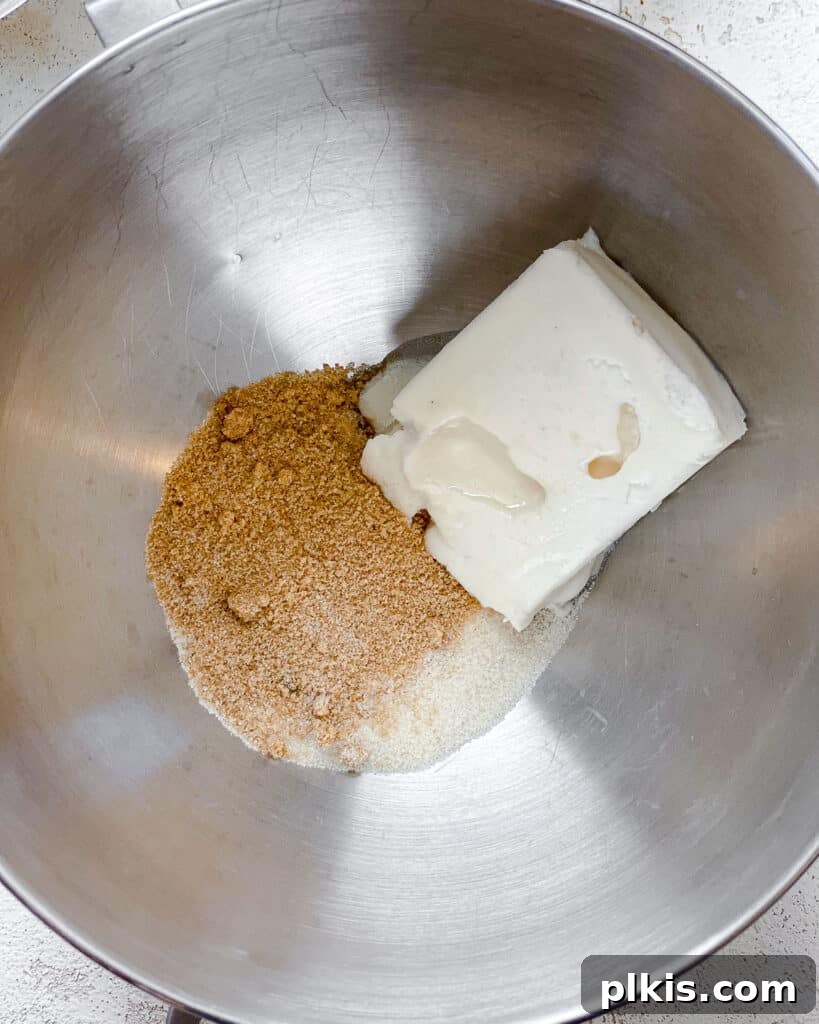
- 2) Next, in a large mixing bowl, use a hand mixer or a stand mixer fitted with the paddle attachment to cream together the room-temperature vegan butter and both granulated and brown sugars. Beat on medium speed for about 2 minutes, or until the mixture becomes notably light and fluffy. This creaming process incorporates air, which is vital for the shortbread’s tender texture.

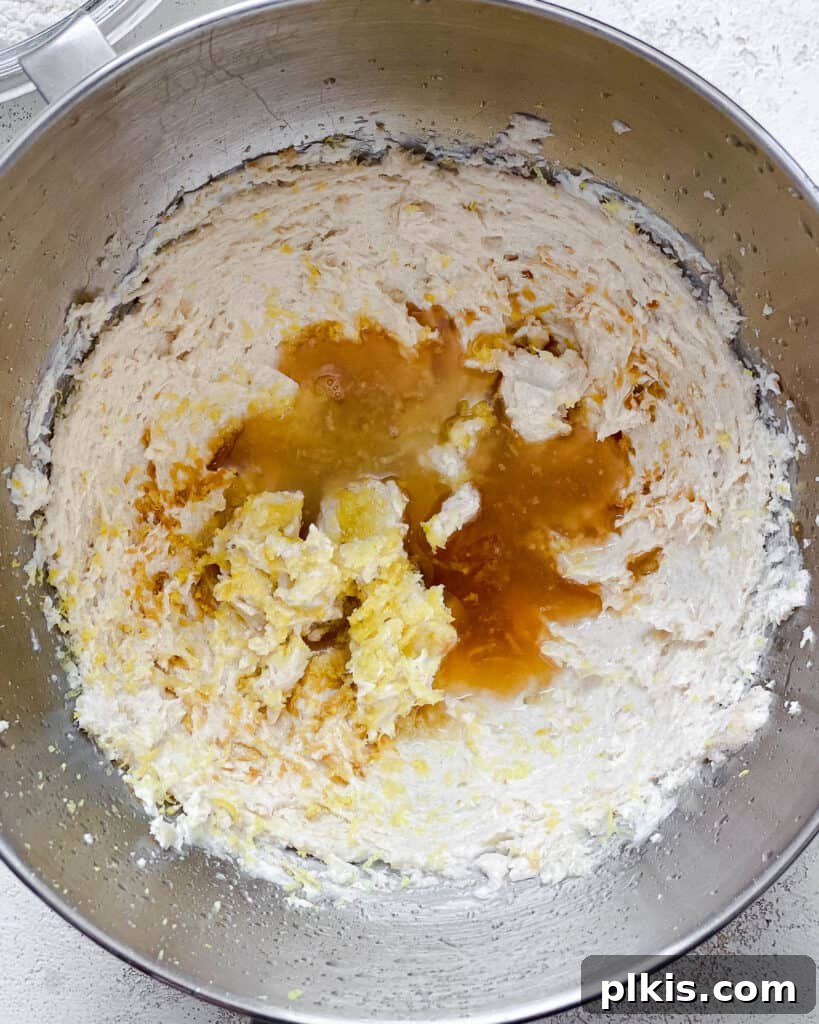
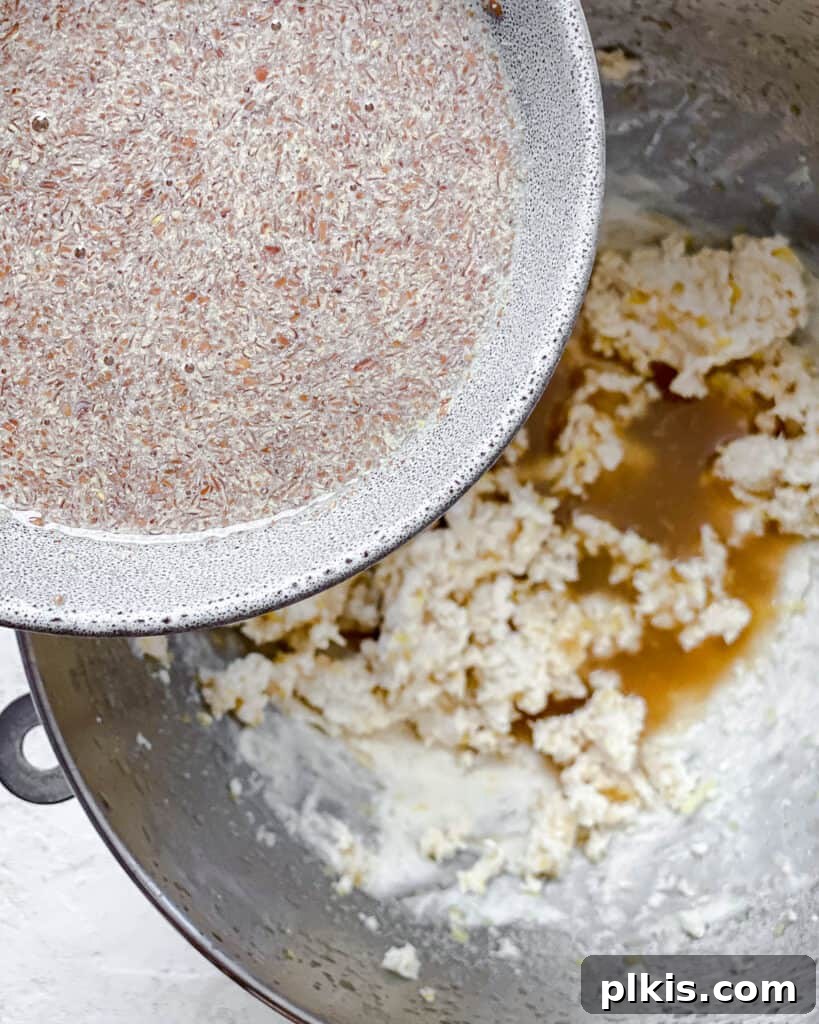
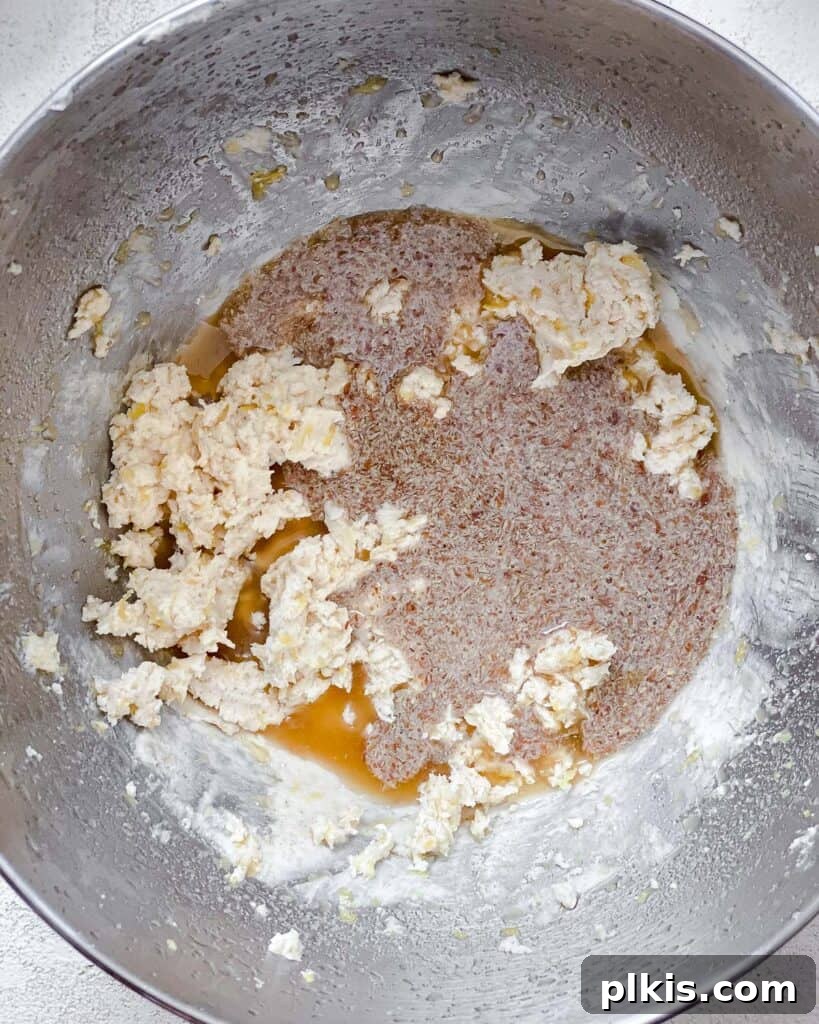
- 3) Incorporate the vanilla extract, fresh lemon juice, and finely grated lemon zest into the creamed butter and sugar mixture, beating until everything is well combined and maintains its light, fluffy consistency. Following this, pour in the prepared flax egg mixture and continue to beat for another minute, ensuring all wet ingredients are fully integrated.


- 4) In a separate, medium-sized bowl, combine the all-purpose flour, baking soda, baking powder, and salt. Whisk these dry ingredients thoroughly to ensure they are evenly distributed. Then, gradually add this dry mixture to the wet ingredients, mixing by hand with a spatula or wooden spoon until just combined.

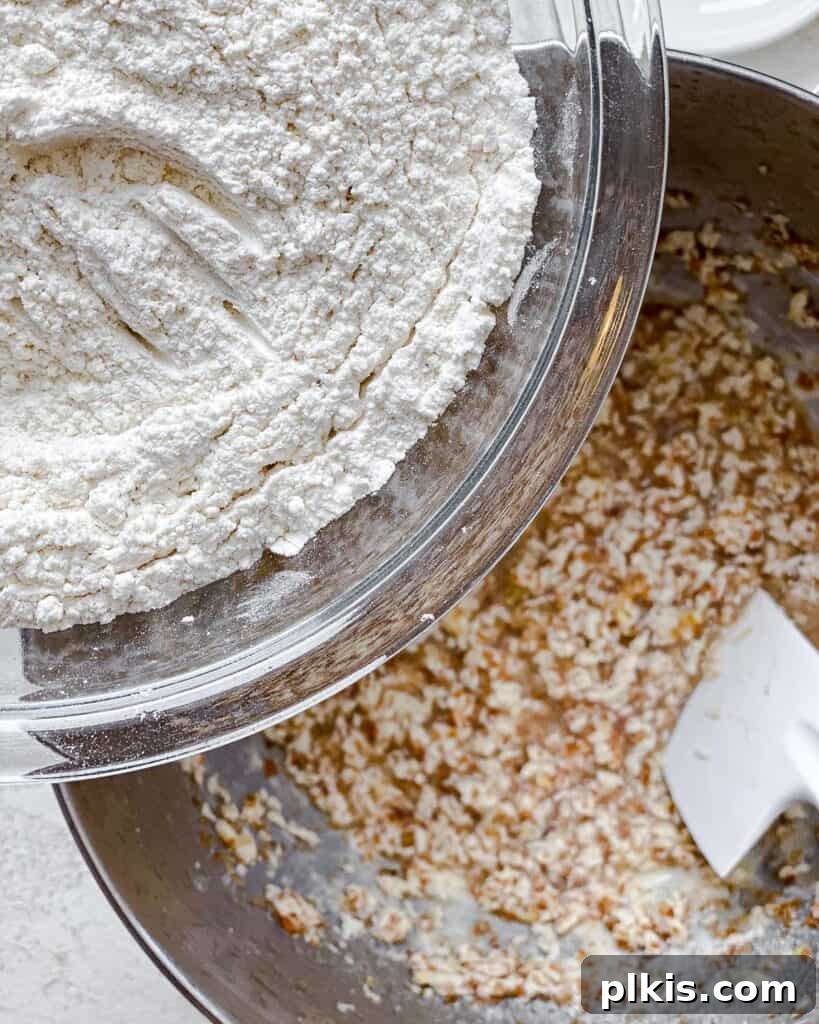

Be careful not to over-mix the dough! Overworking the flour can develop the gluten, leading to tough and dense lemon shortbread, rather than the desired crisp and tender texture.
- 5) Once the dough is just combined, transfer it to the refrigerator to chill for at least two hours. This step is non-negotiable for achieving perfect shortbread.
This chilling period is absolutely crucial to prevent the cookies from spreading excessively and losing their shape during baking. It also allows the flavors to meld and the vegan butter to solidify, resulting in a perfectly crisp texture.
- 6) While the dough is chilling, preheat your oven to 350°F (175°C). Prepare a large baking sheet by lining it with parchment paper or a silicone baking mat. This ensures easy release and even baking.
- 7) After the dough has sufficiently chilled, remove it from the refrigerator. Lightly flour a clean work surface and a rolling pin. Roll out the cookie dough evenly to an approximate thickness of ¼-inch.
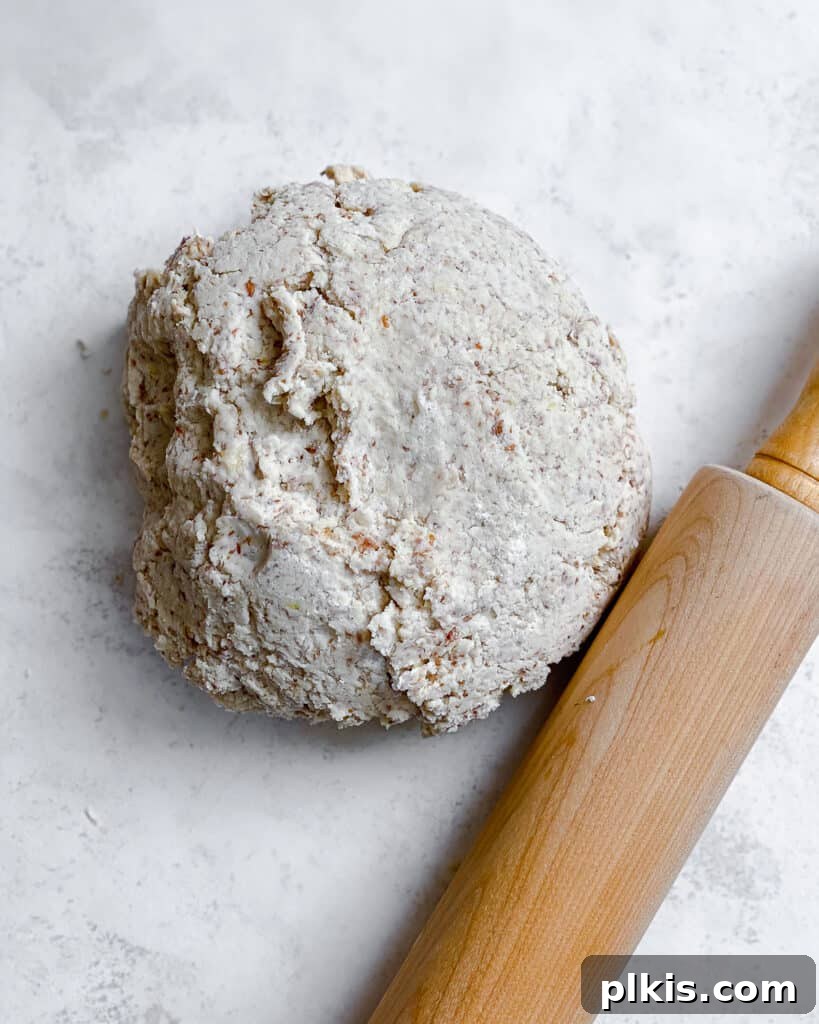
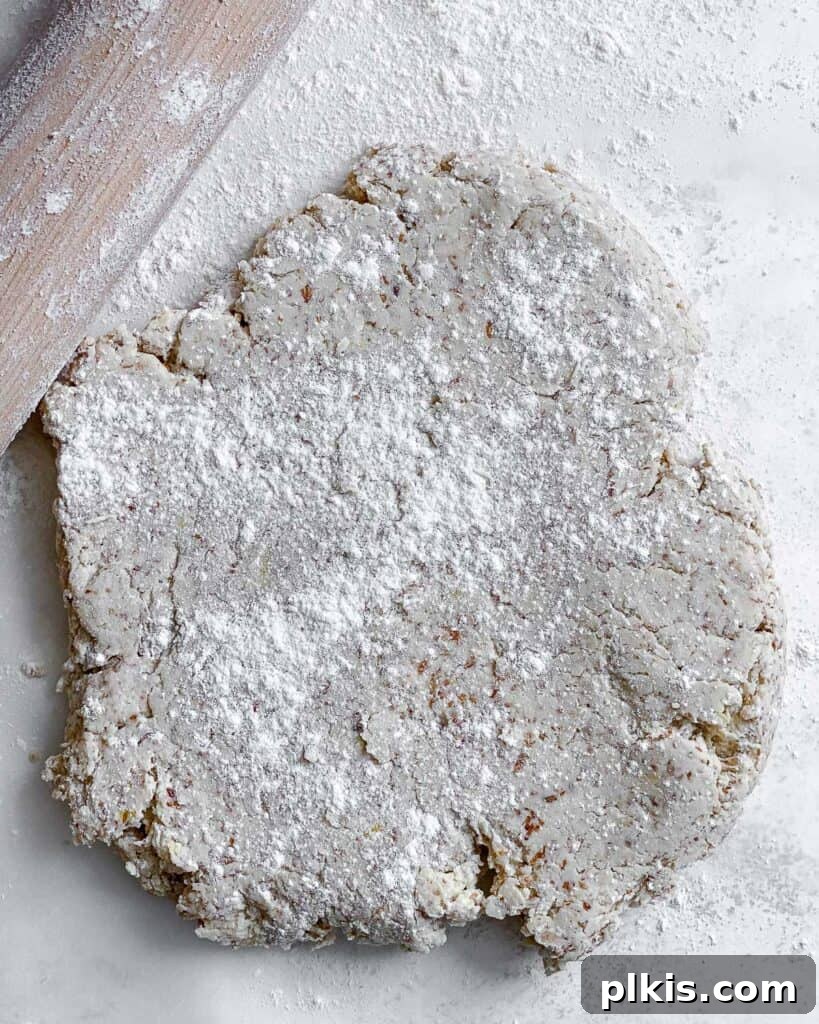
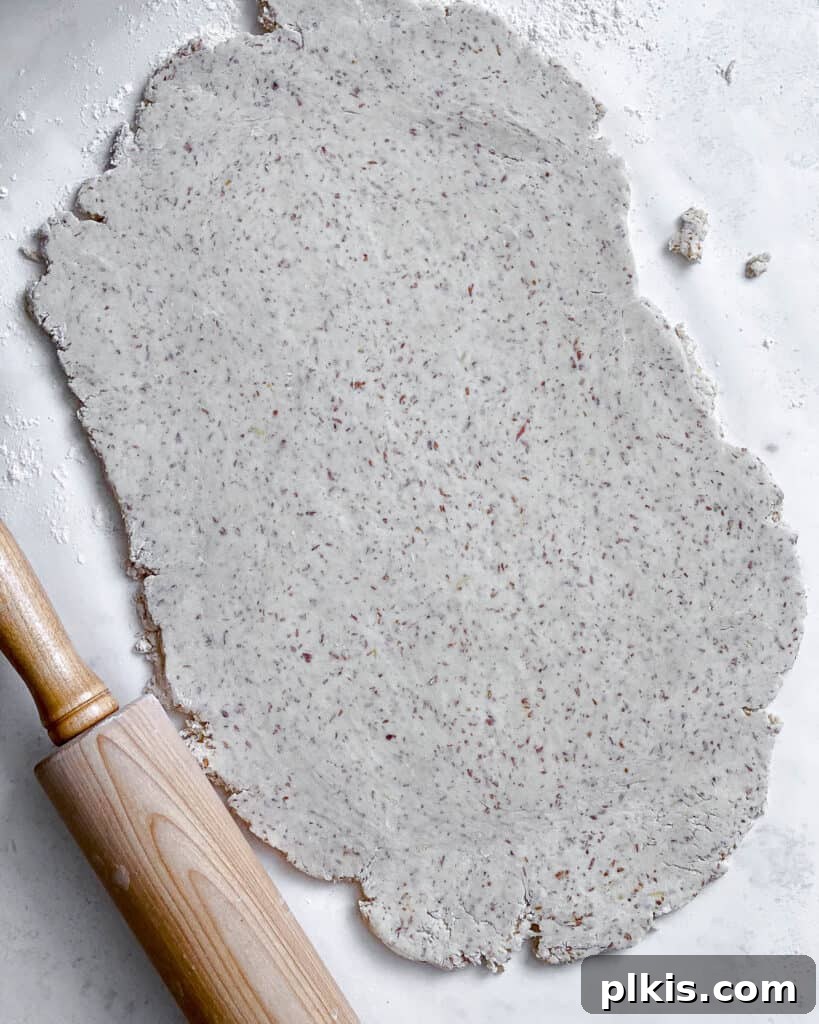
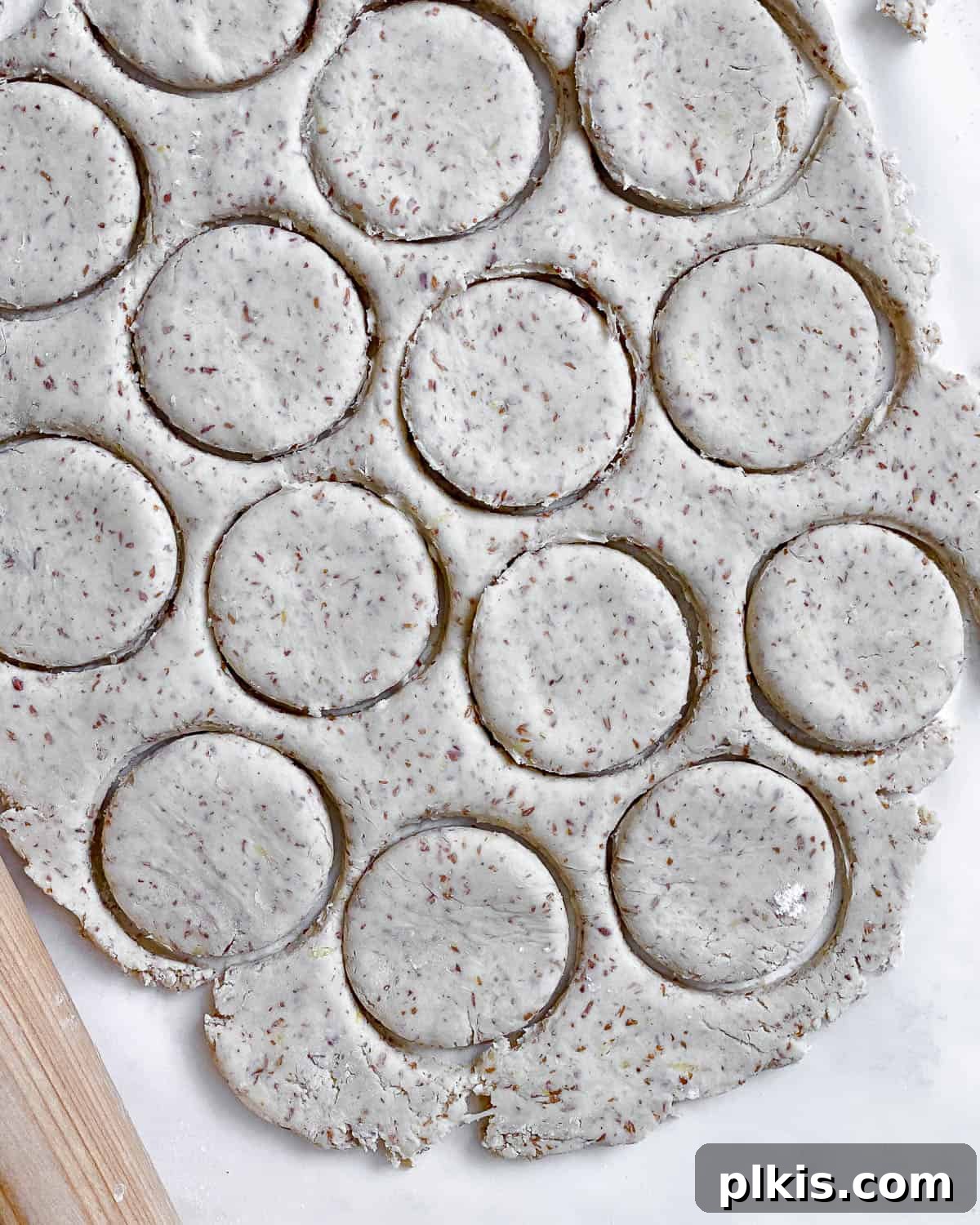
- 8) Using your preferred cookie cutters (ours were approximately 2 inches in diameter), cut out shapes from the rolled dough. Carefully transfer the cut cookies to the prepared baking sheet, ensuring there is at least an inch of space between each one to allow for even baking.
- 9) Place the baking sheet with the cut-out cookies into the preheated oven. Bake the lemon shortbread cookies for about 15 minutes, or until their edges just begin to turn a light golden brown. The centers should still appear relatively pale.
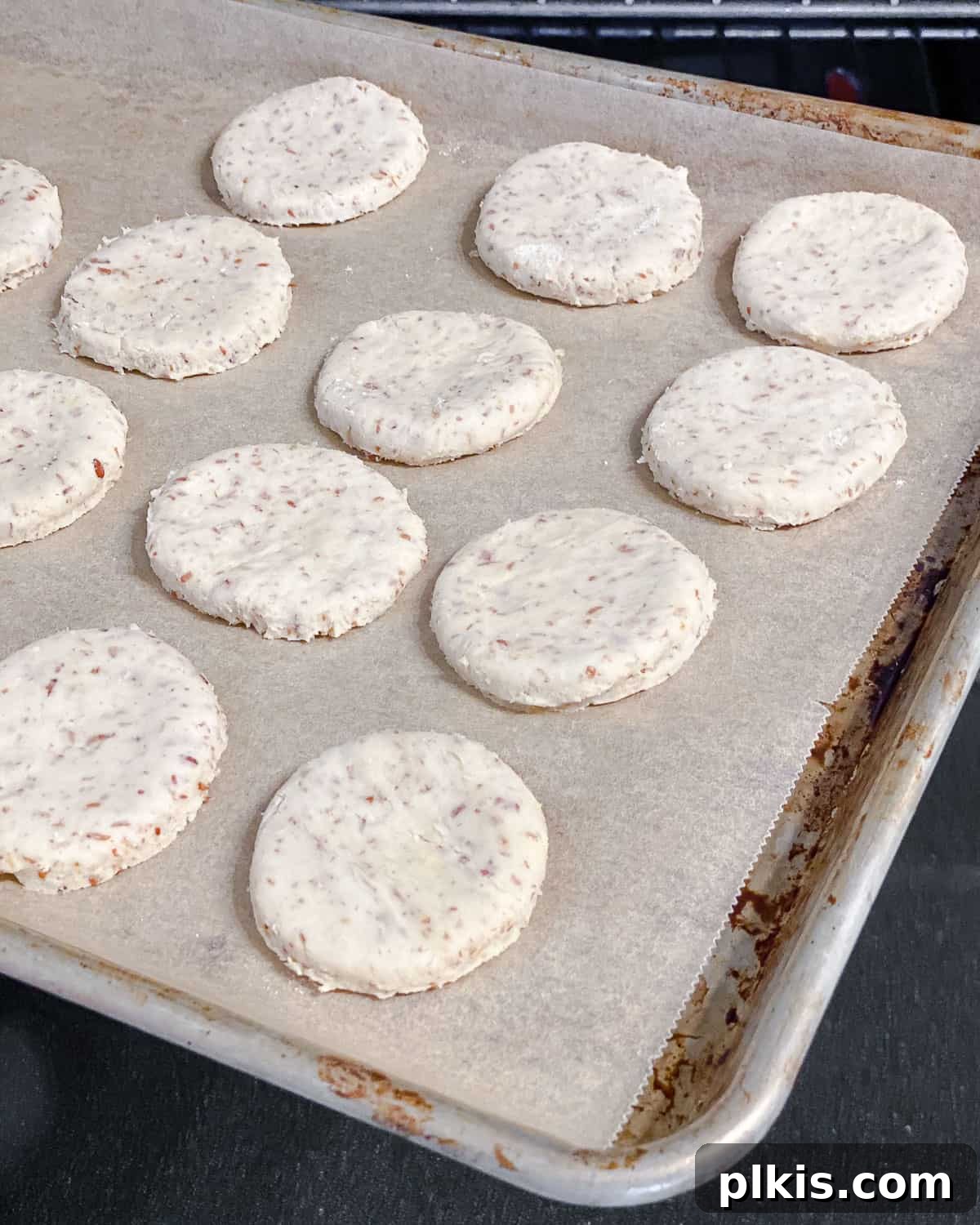
- 10) Once baked, carefully remove the cookies from the oven. Let them rest on the hot baking tray for a few minutes; this allows them to firm up slightly. Then, gently transfer them to a wire rack to cool completely. Cooling on a rack ensures airflow, contributing to their ultimate crispness. Optionally, sprinkle with a little extra fresh lemon zest for an added pop of aroma and flavor before serving. Enjoy your perfectly zesty, buttery, and crisp vegan lemon shortbread!

Pro Recipe Tips for Perfect Vegan Lemon Shortbread
Achieving bakery-quality vegan lemon shortbread is easy with these expert tips:
- Measure Flour Properly: Accurate flour measurement is critical for shortbread texture. Instead of scooping your measuring cup directly into the flour bag (which compacts it), gently fluff the flour with a fork or spoon it into the cup. Then, use the flat back of a knife or a straight edge to level off the top. This “spoon and level” method prevents you from adding too much flour, which can result in dry, crumbly cookies.
- Avoid Over-mixing the Flour: Once you add the dry ingredients to the wet, mix just enough until the flour streaks disappear and the dough comes together. Overworking the dough develops gluten, leading to a tough, dense cookie rather than the desired tender, crumbly shortbread. Mix gently and briefly.
- Chill the Dough Thoroughly: This is arguably the most important step for shortbread. Chilling allows the vegan butter to re-solidify, which prevents the cookies from spreading too much in the oven. It also gives the flavors time to deepen and helps the dough become easier to handle and cut. Don’t rush this step – a minimum of two hours is recommended for the best results.
- Get Creative with Cookie Cutters: While classic round shortbread is lovely, feel free to use any cookie cutters you own. Themed shapes for holidays or seasons can add a fun touch. If you don’t have cookie cutters, you can press the dough into a rectangular pan and slice it into bars after baking, or simply roll it into a log, chill, and then slice into perfect rounds.
- Don’t Overbake: Shortbread is meant to be pale, with only the slightest hint of golden brown on the edges and bottom. Overbaking will lead to a hard, dry cookie. Remove the cookies from the oven when the edges just begin to turn golden, even if the tops still look very light and seemingly “undercooked.” They will continue to firm up and cook slightly as they cool on the hot baking sheet and then on the wire rack.
Frequently Asked Questions About Vegan Lemon Shortbread
While it’s possible to experiment with unrefined sugars like coconut sugar or maple sugar, or even sugar alternatives, be aware that these may significantly affect the texture, spread, and overall flavor of your vegan shortbread. Different sugars behave differently in baking; unrefined sugars often add moisture and can alter the crispness, while replacements might affect browning and stability. It’s best to start with the recommended sugars for the intended result and adjust cautiously.
The baking time directly influences the final texture of your shortbread. Underbaking typically results in softer, chewier cookies, which some people prefer. Conversely, overbaking will yield crisper, more crumbly, and eventually dry cookies. The sweet spot for shortbread is often when the edges are just barely golden. We recommend experimenting within a 1-3 minute window of the suggested baking time to find your personal perfect texture. Also, ensure your oven temperature is accurate.
While an electric hand mixer or stand mixer certainly makes the creaming process quicker and easier, it is not strictly necessary. You can absolutely achieve a good result using a sturdy whisk and plenty of elbow grease, especially when creaming the vegan butter and sugars until light and fluffy. Just ensure you work it thoroughly to incorporate enough air.
While lemon extract can provide a strong lemon flavor, fresh lemon juice and zest offer a brighter, more nuanced, and natural taste. Extracts can sometimes have an artificial quality. For the best flavor, we highly recommend fresh lemons. If you must use extract, start with a small amount (½ teaspoon) and add more to taste, adjusting the liquid content if necessary.

Make Ahead and Storage Instructions for Convenience
These lemon shortbread cookies are wonderfully forgiving and can easily be prepared in advance, making them perfect for meal prepping or entertaining. The dough itself is quite make-ahead friendly. You can prepare the cookie dough and store it tightly wrapped in the refrigerator for 2-3 days. For longer storage, roll the dough into a log (about 2 inches in diameter) and wrap it securely in plastic wrap, then place it in a freezer-safe bag. It will keep well in the freezer for up to 2 months. When ready to bake, simply thaw the log in the refrigerator overnight, then slice into individual cookies and bake as directed.
Once baked, leftover vegan lemon shortbread cookies should be stored in an airtight container at room temperature for several days, or they can be kept in the refrigerator for up to a week. Ensure they are completely cooled before storing to prevent condensation, which can make them soft.
For extended freshness, you can also freeze the baked shortbread for 2-3 months. To do this, arrange the cooled cookies in a single layer on a baking tray and flash freeze them until solid. Once frozen, transfer them to a freezer-safe Ziplock or Stasher bag, removing as much air as possible. This flash-freezing step prevents them from sticking together. To enjoy, allow them to thaw in the fridge overnight or at room temperature for an hour or two. They will taste just as delicious as when freshly baked!
More Easy and Delicious Vegan Cookie Recipes
If you’ve fallen in love with these vegan lemon shortbread cookies, you’ll be thrilled to discover our other fantastic plant-based cookie creations:
- Vegan Oatmeal Chocolate Chip Cookies: A timeless classic, made vegan!
- Raspberry Jam Thumbprint Cookies: Sweet, buttery, and filled with fruity goodness.
- Vegan Peanut Butter Cookies [With Filling | Sandwich Cookies]: Double the peanut butter delight!
- Triple Ginger Vegan Cookies [Gingersnaps]: Bold, spicy, and perfectly chewy.
- Double Chocolate Chip Peppermint Cookies: A decadent and festive treat.
- Skillet Chocolate Chip Cookie: A giant, warm cookie for sharing (or not!).
- Apricot Cookies: Soft, sweet, and bursting with dried apricot flavor.
Photos by Alfonso Revilla
Vegan Lemon Shortbread Cookies
Prep Time: 15 mins
Cook Time: 15 mins
Chill Time: 2 hrs
Total Time: 2 hrs 30 mins
Servings: 25 cookies
These vegan lemon shortbread cookies are perfectly crisp outside, wonderfully soft in the middle, incredibly ‘buttery’, and bursting with bright, tangy lemon flavor. They’re quick to prepare and absolutely perfect for any occasion!
Equipment
- Measuring Cups
- Measuring Spoons
- Mixing Bowl
- Baking Sheet
- Cookie Cutters (approx. 2 inches)
- Rolling Pin
- Wire Cooling Rack
Ingredients
- ¼ cup ground flax meal
- ¾ cup warm water
- 2 ½ cups all-purpose flour (or gluten-free blend)
- ½ teaspoon salt
- ½ teaspoon baking powder
- ½ teaspoon baking soda
- 1 cup unsalted vegan butter, room temperature
- ¼ cup granulated sugar
- ¼ cup brown sugar
- 4 tablespoons fresh lemon juice
- Zest of two large lemons
- 1 teaspoon vanilla extract
- Extra lemon zest for garnish (optional)
Instructions
-
Prepare Flax Egg: In a small bowl or cup, combine the ground flax meal and warm water. Stir well and let it sit for 5 minutes to thicken, creating your flax egg. This will act as the binder for your cookies.
-
Cream Butter and Sugars: In a large mixing bowl, using an electric mixer (handheld or stand mixer with paddle attachment), cream together the room-temperature vegan butter, granulated sugar, and brown sugar. Beat on medium speed for about 2 minutes until the mixture is light and fluffy.
-
Add Wet Ingredients: Add the vanilla extract, fresh lemon juice, and lemon zest to the creamed mixture, beating until well combined and fluffy. Pour in the prepared flax egg mixture and beat for another minute until fully incorporated.
-
Combine Dry Ingredients: In a separate medium bowl, whisk together the all-purpose flour, salt, baking powder, and baking soda until evenly combined.
-
Form the Dough: Gradually add the dry ingredient mixture to the wet ingredients, mixing by hand with a spatula or wooden spoon until just combined. Be careful not to over-mix the dough; overworking it can lead to tough cookies.
-
Chill the Dough: Transfer the vegan lemon shortbread cookie dough to the refrigerator and chill for a minimum of two hours. This crucial step prevents the cookies from spreading excessively during baking, ensuring a perfect shortbread texture and crispness.
-
Preheat Oven & Prep Sheet: Once the dough is almost done chilling, preheat your oven to 350°F (175°C). Line a large baking sheet with parchment paper or a silicone baking mat.
-
Roll and Cut: On a lightly floured surface, roll out the chilled cookie dough to an even ¼-inch thickness. Use your favorite cookie cutters (approximately 2 inches in size work well) to cut out shapes from the dough.
-
Arrange on Baking Sheet: Carefully place the cut-out cookies onto the prepared baking sheet, leaving about an inch of space between each cookie to allow for slight expansion.
-
Bake: Bake for approximately 15 minutes, or until the edges of the cookies begin to turn a light golden brown. The centers may still appear very light, which is ideal for shortbread.
-
Cool: Remove the baking sheet from the oven and allow the cookies to cool on the tray for a few minutes before gently transferring them to a wire rack to cool completely. This helps them firm up and achieve that perfect shortbread snap.
-
Garnish & Serve: For an extra touch of zest, sprinkle a little more fresh lemon zest over the cooled cookies before serving. Enjoy your homemade, perfectly zesty vegan lemon shortbread!
Notes
- Measure Flour Accurately: Avoid scooping flour directly from the bag. Instead, fluff the flour with a fork, spoon it into your measuring cup, and level it off with the back of a knife. This prevents over-packing and ensures correct ratios for the best texture.
- Prevent Over-mixing: Overworking the dough develops gluten, leading to tough rather than tender cookies. Mix just until the ingredients are combined.
- Chill Time is Key: Don’t skip chilling the dough! This solidifies the vegan butter, preventing excessive spreading during baking and maintaining the shortbread’s classic crisp shape.
- Cookie Cutter Creativity: Feel free to use any cookie cutters you have on hand – circles, squares, or fun seasonal shapes. No cutters? Roll the dough into a log, chill, and then slice into rounds or press into a square pan and slice into bars after baking.
- Don’t Overbake: For optimal crisp-yet-tender shortbread, take the cookies out when the edges are just barely golden. They will continue to set as they cool on the baking sheet and wire rack.
Nutrition Information (per cookie, approximate)
Calories: 135kcal | Carbohydrates: 15g | Protein: 2g | Fat: 8g | Saturated Fat: 1g | Polyunsaturated Fat: 3g | Monounsaturated Fat: 3g | Trans Fat: 1g | Sodium: 134mg | Potassium: 46mg | Fiber: 1g | Sugar: 4g | Vitamin A: 2IU | Vitamin C: 6mg | Calcium: 16mg | Iron: 1mg
Additional Information
- Author: Toni Okamoto
- Course: Dessert
- Cuisine: American
- Method: Oven
- Diet: Vegan
Tried this recipe? Please share your delicious creations and tag us on Instagram at @PlantBasedOnABudget! We’d love to see them! 😊