
Embarking on a plant-based diet, especially when navigating a strict budget, can sometimes feel daunting. I’ll be completely honest: during the inaugural week of this challenge, a wave of overwhelm washed over me. I even considered asking Toni if I could gracefully withdraw. The sheer amount of planning and execution felt like an additional burden, adding unwelcome stress to my daily life. Yet, a moment of profound reflection quickly followed. I realized the immense privilege inherent in having the choice to opt out of a meal planning challenge. Many individuals, couples, and families simply do not possess the luxury of exceeding their food budget, making careful planning an absolute necessity, not merely a chore. This humbling realization anchored my resolve and reignited my commitment to this mission. It’s a powerful reminder for anyone, including those critics quick to dismiss budget-friendly options like canned goods, about the realities of food insecurity and accessibility. So, with a renewed sense of purpose and my privilege firmly in check, I warmly welcome you to Week 2 of our Plant-Based on a Budget meal plan for two people!
—————————————————
Navigating Grocery Prices: Essential Budget Shopping Advice
One of the most frequent and insightful points raised in the comments section revolves around the vast discrepancies in food prices. I fully acknowledge and understand that unless you happen to shop at the exact same grocery store as I do, it’s highly improbable that our prices will align perfectly, or even fall within the same general ballpark. This variation is a fundamental aspect of grocery shopping that every budget-conscious consumer must contend with. However, instead of being a barrier, it presents an opportunity for smarter, more strategic shopping.
Here’s some invaluable advice I’ve gathered and applied, specifically tailored to help you navigate fluctuating prices and maximize your savings on a plant-based diet:
-
Scout All Grocery Stores in Your Area for the Best Prices: This might seem like an obvious first step, but its importance cannot be overstated. Dedicating time to thoroughly investigate pricing across different retailers in your vicinity can yield significant savings. Different stores often specialize in certain categories or have varying pricing strategies. For instance, some stores might offer produce at unbeatable prices, while others excel in pantry staples or bulk items. The table below vividly illustrates this point, comparing the cost of key ingredients for my “Barley Mushroom Kale Pilaf” recipe from just three of the many grocery stores available in my area. This simple comparison reveals how much potential savings can be unlocked with a bit of research.
Item WinCo Foods Trader Joe’s Raley’s Kale $0.98 per bunch $1.99 for bag chopped $1.99 per bunch 8 oz White Mushrooms $1.98 per package $1.69 per package $2.69 per package Barley $0.66 per pound $1.79 for 8.8 oz $3.19 per pound Total: $3.62 $5.47 $7.87 I still haven’t even visited stores like Lucky, Food Maxx, or Grocery Outlet. Imagine the additional savings I could uncover if I took the time to expand my scouting efforts! Furthermore, don’t limit yourself to shopping at just one store. As the chart clearly demonstrates, I could have saved 30 cents on mushrooms by purchasing them at Trader Joe’s instead of WinCo. While 30 cents might seem negligible on its own, when you’re diligently adhering to a strict budget, these small savings accumulate remarkably quickly, making a tangible difference to your overall spend.
- Identify Ingredients for Repeat Appearances and Embrace Bulk Buying: A cornerstone of budget-friendly plant-based eating is recognizing and utilizing versatile, inexpensive ingredients that can be incorporated into multiple meals throughout the week or even across weeks. This week, I made a conscious effort to lean heavily on such ingredients: lentils, peas, barley, rice, and various beans. These items are not only incredibly nutritious but also remarkably cost-effective. Purchasing these staples in bulk quantities, when feasible, is almost always the most economical approach. Bulk bins often offer lower per-unit prices, reduce packaging waste, and allow you to buy precisely the amount you need. Stocking your pantry with these foundational ingredients ensures you always have the building blocks for healthy, affordable meals.
- Always Bring a Calculator: Forget any inhibitions about appearing “crazy” with a list and a calculator in the grocery aisle. Being acutely aware of how much each item contributes to your running total is paramount when sticking to a budget. A calculator empowers you to make real-time decisions, instantly seeing the financial impact of adding or removing an item from your cart. This proactive approach prevents sticker shock at the checkout and gives you control over your spending, ensuring you stay within your allocated budget without guesswork. It transforms your shopping trip into a strategic mission rather than a mere errand.
- Don’t Rush Yourself: If you are genuinely committed to saving money on groceries, you must allocate sufficient time for your shopping trips. Rushing often leads to impulse purchases, forgotten items, or an inability to make necessary adjustments if your bill starts to climb too high. Whenever possible, shop alone to minimize distractions and try to visit the grocery store during off-peak hours. For me, navigating a chaotic and crowded store often triggers a “just get me out of here” mentality, leading to hurried decisions and less mindful spending. A calm, unhurried shopping experience allows for thoughtful choices, price comparisons, and a more pleasant overall process, ultimately leading to better budget adherence.
—————————————————
Additional Resources to Support Your Plant-Based Journey
Beyond these practical shopping tips, a wealth of resources exists to further support your transition to, or continuation of, a plant-based lifestyle. Embracing a plant-based diet doesn’t just benefit your wallet; it profoundly impacts your health and the environment. Here are a few excellent options:
- Facebook Support Group: Join this vibrant support group on Facebook. It’s a fantastic community where you can share invaluable tips, discover new low-cost plant-based recipes, and connect with like-minded individuals facing similar challenges and successes.
- “How Not to Die” by Dr. Michael Greger: This New York Times bestseller, How Not to Die, is an exceptional resource for anyone looking to delve deeper into the scientific benefits of plant-based nutrition. Dr. Greger meticulously compiles and explains evidence-based research, making complex nutritional concepts accessible.
- NutritionFacts.org: Dr. Greger also maintains a phenomenal website, Nutrition Facts, which offers a treasure trove of free resources, including videos, articles, and summaries of the latest nutrition science, all delivered without commercial bias.
- The Dairy Detox: If you’re considering eliminating dairy from your diet, The Dairy Detox provides a comprehensive online guide for a mere $10. It’s a practical and affordable tool to help you transition away from dairy products effectively.
—————————————————
Week 2 Shopping List: Your Budget-Friendly Haul for Two
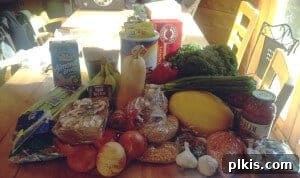
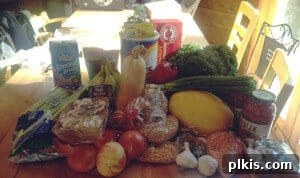
Here’s the detailed shopping list for Week 2 of our Plant-Based on a Budget Challenge for two people. This carefully curated list is designed to provide all the ingredients for a week of delicious, nutritious, and incredibly affordable meals, while keeping our total spend to a minimum. Remember, prices are approximate and can vary based on your location and specific grocery store choices, as highlighted in our earlier tips. Our total for this week came in at an impressive $46.74, proving that healthy, satisfying plant-based eating doesn’t have to break the bank!
- 1 package Lasagna noodles: $2.08
- 1 bunch of 7 bananas: $1.60
- 2 bunches kale: $1.96
- 2.5 cups barley (priced by pound): $0.66
- 1 bag celery: $1.48
- 1 bag frozen spinach: $1.69
- 1 cup green split peas (priced by pound): $0.39
- 1 cup yellow split peas (priced by pound): $0.30
- 1 cup corn meal (priced by pound): $0.30
- 1 lb flax meal (priced by pound): $1.74 (Note: You’ll only need 2 tablespoons for this week, but it’s a great pantry staple!)
- 1 cup red lentils (priced by pound): $0.51
- 1 cup green/brown lentils (priced by pound): $0.42
- (1) 2 lb bag carrots: $0.98
- (2) 8 oz pkg mushrooms: $3.96
- 2 heads garlic: $0.96
- 3 pkgs of bouillon cubes: $3.00
- 1 spaghetti squash (priced by pound): $3.54
- 2 marinara jars: $2.56
- 4 red bell peppers: $3.92
- 1 bunch green onions: $0.48
- 5 lb bag russet potatoes: $1.48
- 4 cups long grain brown rice (priced by pound): $0.75
- 1 almond milk (unsweetened or original): $1.99
- 1 tbsp tomato paste (price is for a whole can, you’ll have leftovers): $0.42
- 1 small lemon juice: $1.00
- 1 can black beans: $0.89
- 2 lb of oats: $2.42
- 1 lb pumpkin granola: $2.25
- 4 yellow onions (priced by pound): $1.45
- 1 butternut squash: $1.56
Total for the Week: $46.74
—————————————————
Week 2 Meal Plan: Delicious & Nutritious Plant-Based Eating for Two
Friday, November 8, 2013: Kicking Off the Weekend with Wholesome Staples
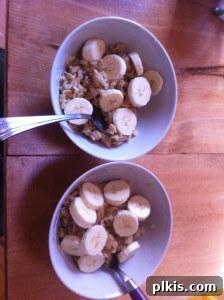
Breakfast: Oatmeal with Sliced Banana
We started Friday on a warm, comforting, and incredibly nutritious note: a hearty bowl of oatmeal, portioned out to 1 cup per person, generously topped with slices of fresh banana. Oats are a true unsung hero in the plant-based world. A single cup boasts an impressive 10 grams of protein and is packed with soluble fiber, making it an excellent source of sustained energy and aiding digestion. Who says vegans struggle with protein? Not with oats on the menu! This simple yet powerful meal is a testament to how satisfying and energizing budget-friendly plant-based options can be.
Lunch: Red Lentil Curry Over Brown Rice
For lunch, we indulged in a truly flavorful and satisfying Red Lentil Curry served over a bed of fluffy brown rice. This dish is not only incredibly filling but also exceptionally delicious, demonstrating the rich and diverse flavors possible on a plant-based budget. To prepare efficiently, I cooked a larger batch of 4 cups of brown rice, planning to utilize the leftovers for upcoming meals throughout the week, a smart strategy for saving time and energy. As a proud advocate for vegan nutrition, I must highlight that lentils are a nutritional powerhouse: an outstanding source of protein, dietary fiber (crucial for digestive health), and potassium. This meal leaves you feeling nourished and content.

Red Lentil Curry over Brown Rice Recipe
This vibrant and aromatic Red Lentil Curry is a budget-friendly delight, packed with flavor and wholesome ingredients. It’s incredibly easy to make and perfect for meal prepping, as the flavors only deepen over time.
- 2-3 tbsp olive or vegetable oil
- 0.5 tbsp dry ginger powder
- 3 cloves garlic, minced
- 8 green onions, chopped (reserve some for garnish)
- 1 tablespoon curry powder
- 4 carrots, chopped into bite-sized pieces
- 1 russet potato, chopped into 1-inch pieces
- 1 cup red lentils, rinsed
- 4 cups water
- 2 bouillon cubes (vegetable preferred)
- 2 cups cooked brown rice (I prepared 4 cups for additional meals)
- Heat the oil in a large saucepan or pot over medium-high heat. Add the dry ginger, minced garlic, and chopped green onion. Cook, stirring frequently, for 2 to 3 minutes, until the aromatics have softened and become fragrant.
- Stir in the curry powder, ensuring it’s well combined with the aromatics. Add the chopped carrots, potato pieces, rinsed red lentils, water, and bouillon cubes. Bring the mixture to a rolling boil.
- Once boiling, reduce the heat to a gentle simmer, cover the saucepan, and cook, stirring occasionally, for about 20 minutes. Continue cooking until the lentils and vegetables are tender and the curry has thickened to your desired consistency.
- To serve, spoon the fragrant Red Lentil Curry over a generous portion of brown rice. Garnish with the reserved chopped green onions for a touch of freshness and color. Enjoy this warm, hearty, and incredibly nourishing meal!
Dinner: Split Pea Soup
Our Friday dinner featured a hearty and incredibly nutritious Split Pea Soup. While researching budget-friendly and healthy dry ingredients, I uncovered some astonishing facts about peas. Did you know that a single cup of dried peas contains an incredible 48 grams of protein and provides a mind-blowing 200% of your daily recommended fiber intake? This revelation was truly mind-blowing and further solidified the power of simple, plant-based staples. This soup is not just delicious; it’s a protein and fiber powerhouse, ensuring we ended our day feeling full, satisfied, and well-nourished within our budget.

48 Grams of Protein Pea Soup Recipe
This robust and incredibly filling Split Pea Soup is a fantastic way to enjoy a high-protein, high-fiber meal that is both comforting and budget-friendly. It’s perfect for chilly evenings or as a wholesome meal prep option.
- 1.5 tablespoons olive oil
- 1.5 cups chopped yellow onion
- 2 cups chopped carrots
- 2 cups chopped celery
- 2 cloves minced garlic
- 1 cup yellow split peas, rinsed
- 1 cup green split peas, rinsed
- 8 cups water
- 3 vegetable bouillon cubes
- Freshly ground black pepper to taste
- In a large pot or Dutch oven, heat the olive oil over medium heat. Add the chopped onion, carrots, celery, and minced garlic. Sauté, stirring occasionally, until the onion becomes translucent and the vegetables begin to soften, about 7-10 minutes.
- Stir in the rinsed yellow and green split peas, water, and bouillon cubes. Increase the heat to bring the mixture to a boil.
- Once boiling, reduce the heat to low, cover the pot, and let it simmer for 40 minutes to 1 hour, or until the peas are very tender and the soup has thickened. Stir once or twice during cooking to prevent sticking.
- If you prefer a smoother consistency, use a hand immersion blender to blend a portion of the soup directly in the pot, leaving some texture if desired. Alternatively, carefully transfer a portion to a regular blender (blending in batches) and return it to the pot.
- Season with freshly ground black pepper to taste. Serve hot and savor this incredibly nutritious and satisfying pea soup!
—————————————————
Saturday, November 9, 2013: Weekend Comfort and Culinary Creativity
Breakfast: Fluffy Vegan Pancakes
Since it was Saturday, affording us a little more leisure time than a typical weekday, I decided to treat us to a delicious batch of homemade pancakes. These aren’t just any pancakes; I made these delicious and super easy vegan pancakes, adapting them slightly by omitting bananas. The beauty of this recipe is that it relies on common pantry staples you likely already have in your kitchen, making it a perfect, budget-friendly weekend indulgence. Light, fluffy, and utterly satisfying, these pancakes prove that luxurious weekend breakfasts are entirely possible on a plant-based budget.

Lunch: Leftover Split Pea Soup and/or Red Lentil Curry
For Saturday lunch, we enjoyed the delicious convenience of leftovers. We had a choice between the hearty Split Pea Soup from Friday night, packed with protein and fiber, or the flavorful Red Lentil Curry over brown rice. Both options were equally satisfying and showcased the incredible value of cooking in larger batches – not only does it save time during busy weeknights, but it also ensures a ready-made, nutritious lunch for the next day, preventing food waste and sticking to our budget.
Dinner: Barley Mushroom Kale Pilaf
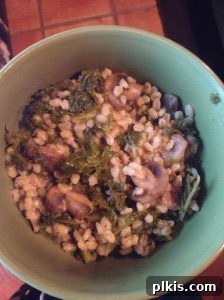
Saturday dinner was a truly comforting and rich dish: Barley Mushroom Kale Pilaf. This recipe is an absolute gem, delivering a wonderfully buttery taste and deeply satisfying warmth without any dairy. It’s the kind of comfort food that makes you forget you’re eating on a budget. The earthy mushrooms, robust barley, and vibrant kale come together in a symphony of flavors and textures, proving that plant-based meals can be both economical and incredibly gourmet. Prepare to truly savor every spoonful of this wholesome and nourishing pilaf!
Barley Mushroom Kale Pilaf Recipe
This pilaf is a hearty, flavorful, and incredibly comforting dish, perfect for a cozy dinner. The barley provides a wonderful chewy texture, while the mushrooms and kale add depth and nutrition. It tastes much richer than its simple ingredients suggest!
- 1 package fresh sliced mushrooms (about 8 oz)
- 2.5 tbsp olive oil
- 2 cups pearl barley
- 6 cups water
- 3 vegetable bouillon cubes
- 4 tbsp chopped scallions (green onions) (optional, but adds a nice touch)
- 1 tsp dried rosemary
- 1 bunch chopped kale (you can adjust the amount to your preference, even a bit less works)
- In a large saucepan or pot, heat the olive oil over medium heat. Add the sliced mushrooms and sauté them until they are soft and have released most of their moisture, becoming slightly browned, about 5-7 minutes.
- Stir in the pearl barley, chopped green onion (if using), chopped kale, and dried rosemary. Sauté for another minute, allowing the flavors to meld.
- Pour in the 6 cups of water and add the bouillon cubes. Bring the mixture to a rolling boil.
- Once boiling, reduce the heat to low, cover the pot tightly, and let it simmer for approximately 1 hour, or until the barley is tender and most of the liquid has been absorbed.
- If there’s still a bit of liquid remaining in the last five minutes of cooking, remove the lid and turn off the heat, allowing the residual heat to absorb the remaining liquid. I found that this dish tasted even more wonderful after cooling slightly, allowing the flavors to deepen. Serve warm and enjoy this rich, satisfying pilaf!
—————————————————
Sunday, November 10, 2013: Nourishing Transitions and Wholesome Dinners
Breakfast: Granola with Almond Milk and Sliced Banana
Sunday morning’s breakfast was a quick, easy, and delightful combination of crunchy pumpkin granola, creamy almond milk, and fresh sliced banana, divided between us. This simple meal provides a satisfying crunch, natural sweetness, and a good start to the day. It’s a perfect illustration of how minimal effort can still result in a delicious and budget-friendly plant-based breakfast, especially when relying on pantry staples and fresh fruit.
Lunch: Leftover Barley Mushroom Kale Pilaf
For lunch, we continued to enjoy the comforting flavors of Saturday’s Barley Mushroom Kale Pilaf. Leftovers like this are a cornerstone of budget meal planning, saving both time and money. The pilaf held up beautifully, maintaining its rich, savory profile and satisfying texture, making for a perfectly convenient and delicious midday meal.
Dinner: Brown Rice with Kale, Black Beans, and Butternut Squash
Sunday dinner brought a colorful and nutrient-dense dish to the table: Brown Rice with Kale, Black Beans, and Butternut Squash. A clever strategy employed here was using the leftover brown rice cooked on Friday, which significantly cut down on preparation time for this meal, making it even more efficient. This dish is a fantastic example of a complete plant-based meal, offering complex carbohydrates, protein from the black beans, and an abundance of vitamins from the kale and butternut squash. It’s a testament to how simple ingredients can create a truly wholesome and flavorful dinner on a budget.
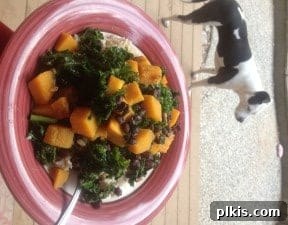
Brown Rice with Kale, Black Beans, and Butternut Squash Recipe
This colorful and nutritious dish is a perfect weeknight meal, combining hearty grains, protein-rich beans, and vibrant vegetables. It’s incredibly satisfying and utilizes leftover rice to save time.
- 1 butternut squash, peeled, deseeded, and cut into 1-inch pieces
- 2 cups cooked brown rice (ideally leftover from Friday)
- 2 garlic cloves, minced
- 1 tsp garlic powder
- 0.5 tsp salt
- 0.5 tsp cumin powder
- 1 bunch kale, tough stems removed and chopped
- (1) 15oz can black beans, drained and thoroughly rinsed
- 1.5 tablespoons olive or vegetable oil
- 1/4 cup water
- Heat 1.5 tablespoons of oil in a large pot or deep skillet over medium heat. Add the minced garlic and sauté for about 2 minutes until fragrant, being careful not to burn it.
- Add the cubed butternut squash and cumin powder to the pot. Sauté for approximately 5 minutes, stirring occasionally, allowing the squash to begin softening and absorbing the flavors.
- Stir in the chopped kale, garlic powder, and salt, mixing well to ensure the kale is evenly coated. Add 1/4 cup of water, reduce the heat to low, and cover the pot. Let it cook for 7-10 minutes, or until the kale has wilted and the butternut squash is tender when pierced with a fork.
- Turn off the heat. Add the drained and rinsed black beans to the pot and gently mix everything together.
- Serve the vegetable and bean mixture over warm brown rice. Taste and adjust seasoning with additional salt, pepper, or cumin if desired. Enjoy this wholesome and balanced plant-based meal!
—————————————————
Monday, November 11, 2013: Hearty Start and Comforting Classics
Breakfast: Oatmeal with Brown Sugar and Banana
Monday’s breakfast offered a comforting and familiar start to the week: a bowl of warm oatmeal, sweetened with a hint of brown sugar, and garnished with half a sliced banana per person. This tried-and-true breakfast provides sustained energy, dietary fiber, and essential nutrients, proving that healthy, budget-friendly meals can be both simple and delicious. It’s an ideal way to fuel up for the day ahead without overspending or sacrificing taste.
Lunch: Leftover Brown Rice, Butternut Squash, Black Beans, and Kale
For lunch, we enjoyed the fantastic leftovers from Sunday’s dinner: the flavorful brown rice with butternut squash, black beans, and kale. This strategic use of meal prepping ensures that a nutritious and satisfying lunch is readily available, saving precious time and money during the busy workweek. The combination of wholesome ingredients continues to provide a balanced and delicious midday meal.
Dinner: Roasted Red Pepper Soup and Skillet Cornbread
Monday evening’s dinner was a true labor of love and a highly anticipated meal: Roasted Red Pepper Soup, served alongside freshly baked Skillet Cornbread. I confess, this soup can be a bit more involved in terms of preparation, but it is, without a doubt, my all-time favorite soup. The depth of flavor achieved through roasting the peppers is simply unparalleled. To complement this rich soup, I made this incredibly easy and delicious skillet cornbread, creating a perfect pairing of creamy, smoky soup and warm, slightly sweet cornbread. The effort is absolutely worth it for this gourmet yet budget-friendly experience!
Roasted Red Pepper Soup Recipe
This Roasted Red Pepper Soup is a deeply flavorful and comforting dish that, while requiring a bit of patience, rewards you with an incredibly rich and satisfying experience. The roasting process brings out the natural sweetness and smokiness of the peppers, creating an unforgettable taste.
- 4 large red bell peppers, halved and seeded
- 1.5 large russet potatoes, peeled and cubed into 1-inch pieces
- 2 medium carrots, chopped
- 1 medium yellow onion, chopped
- 2-3 garlic cloves, chopped
- 6 cups water
- 2-3 vegetable bouillon cubes
- Olive oil for roasting and sautéing
- Salt and freshly ground black pepper to taste
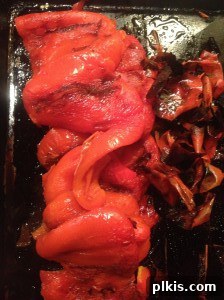
- Prepare Peppers for Roasting: Preheat your oven to the broiler setting on high. Halve and seed the red peppers. Place the pepper halves cut-side down on a baking sheet. Lightly rub or brush the peppers with olive oil. Place the baking sheet under the broiler and set a timer for 25 minutes, checking periodically to prevent burning. The goal is for the skins to blacken and blister.
- Sauté Vegetables: With about 10 minutes remaining on the broiler timer, heat 1 tablespoon of olive oil in a large pot or Dutch oven over medium heat. Add the chopped onions and chopped garlic, sautéing for about 4 minutes until softened and fragrant. Add the chopped carrots and cubed potatoes, and continue to sauté, stirring occasionally, for an additional 5 minutes or so.
- Simmer Base: Pour in the 6 cups of water and add the bouillon cubes to the pot. Bring the mixture to a boil, then reduce the heat to low and cover. Allow the vegetables to simmer gently while you finish with the peppers.
- Peel Roasted Peppers: By this point, the red peppers should be mostly black and bubbly, as shown in the photo below. Carefully remove the baking sheet from the oven. To make peeling easier, immediately and carefully place the hot broiled peppers into a brown paper bag. Close the bag by rolling the top down tightly. This technique helps the peppers to “sweat” their skins, making them much easier to peel and handle.
- Finish Preparing Peppers: After about 5 minutes, take the red peppers out of the bag. With your hands, carefully peel off the loosened skins as best as you can. Don’t worry if a few small bits remain; they will blend in.
- Combine and Blend: Add the peeled red peppers to the pot with the other simmering vegetables. Cover again and allow to simmer for another 10 minutes or so, ensuring all vegetables are very tender. Turn off the heat and, using an immersion blender directly in the pot, carefully blend the soup until it reaches a smooth and creamy consistency. Alternatively, transfer the soup in batches to a regular blender and blend until smooth, then return to the pot.
- Season and Serve: Season the blended soup generously with salt and freshly ground black pepper to taste. Ladle into bowls and enjoy this incredibly rich, smoky, and satisfying Roasted Red Pepper Soup!



—————————————————
Tuesday, November 12, 2013: Simple Mornings and Savory Evenings
Breakfast: Oatmeal and Banana for a Balanced Start
Tuesday morning began with a nutritious and divided breakfast. I enjoyed a bowl of warm oatmeal paired with half a banana, while David opted for dry pumpkin granola and the other half of the banana. This flexible approach caters to individual preferences while sticking to our budget and ensuring a wholesome start to the day. It highlights how adaptable plant-based eating can be, even with simple ingredients.
Lunch: Leftover Roasted Red Pepper Soup and Cornbread
For lunch, we delighted in the delicious leftovers from Monday evening: the rich and creamy Roasted Red Pepper Soup, perfectly complemented by slices of the homemade Skillet Cornbread. This combination proved to be just as satisfying the second day around, offering a comforting and flavorful midday meal that was both easy and economical thanks to our initial cooking efforts.
Dinner: Hearty Potato Lasagna
Tuesday evening’s dinner was a wonderfully comforting and ingenious dish: Potato Lasagna. This recipe holds a special place, as it’s a staple at family functions, routinely prepared by my step-dad. The brilliant part? Using mashed potatoes as a creamy, satisfying, and incredibly inexpensive alternative to traditional ricotta cheese, completely avoiding the need for tofu (though tofu ricotta is also a fantastic option, as I discovered in last week’s challenge!). This lasagna is rich, flavorful, and incredibly filling, demonstrating how accessible and creative plant-based cooking can be on a budget.
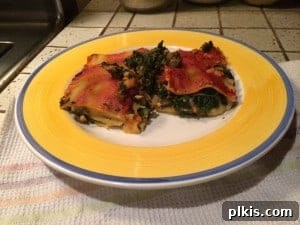
A quick disclaimer for this recipe: I found I had enough lasagna noodles and potatoes from our shopping list to prepare a second tray of lasagna. However, I didn’t have enough frozen spinach to make a full second batch. To avoid any waste and ensure you can make a larger quantity if desired, I highly recommend purchasing two bags of frozen spinach instead of just one. Even with the additional bag, which typically costs around $1.69 at my local grocery store, the total cost for this incredibly satisfying meal would still comfortably remain under budget. It’s a small adjustment that offers great flexibility!
Potato Lasagna Recipe
This Potato Lasagna is a fantastic, comforting, and budget-friendly plant-based take on a classic. Using creamy mashed potatoes instead of ricotta provides an incredibly satisfying texture and flavor without any dairy, making it an excellent option for those avoiding tofu as well.
- 1 box egg and dairy-free lasagna noodles
- 1 large jar marinara sauce (approx. 24-25 oz)
- Leftover portion of the 5lb bag of russet potatoes (I had about 8 or 9 medium potatoes; your quantity may vary), peeled and cubed
- 1 large bag of frozen spinach (consider using two bags if you want to make a larger lasagna or have more spinach layers)
- 1 package fresh mushrooms, sliced and/or roughly chopped (about 8 oz)
- 3 cloves garlic, minced
- 1 tbsp olive or vegetable oil
- For Mashed Potatoes: Vegan margarine, unsweetened or original almond milk, salt, garlic powder, and black pepper (to taste)
- Prepare Lasagna Noodles: Preheat your oven to 400 degrees Fahrenheit (200 degrees Celsius). Boil the lasagna noodles according to the package instructions until al dente. Drain them, rinse with cold water to prevent sticking, and set aside.
- Make Mashed Potatoes: Place the cubed potatoes in an empty pot. Add just enough water to barely cover the potatoes. Bring to a boil, then reduce heat to a simmer, cover, and cook for 15-20 minutes, or until the potatoes are tender enough to easily smash with a fork. Remove from heat, drain the water thoroughly, and return the potatoes to the pot. Now comes the fun part: making the mashed potatoes! It’s challenging to give exact measurements here as potato quantity from a 5lb bag can vary. I typically use a combination of vegan margarine, unsweetened or original almond milk, salt, garlic powder, and black pepper. Add these ingredients slowly, mashing and tasting as you go, until you achieve a creamy, flavorful consistency. Once done, set the mashed potatoes aside.
- Prepare Spinach and Mushroom Mixture: In a separate pan or skillet, heat 1 tablespoon of olive oil over medium heat. Add the minced garlic and sliced/chopped mushrooms, stirring frequently for about 2 minutes until the mushrooms begin to soften. Add the entire bag of frozen spinach and 1/4 cup of water. Reduce the heat to medium-low, cover, and cook for 5-7 minutes, checking periodically until the spinach has fully defrosted and wilted. Season with salt to taste.
- Assemble the Lasagna: Lightly sauce the bottom of a 12×7 inch baking pan (or similar size) with a thin layer of marinara sauce, just enough to cover the bottom and prevent the noodles from sticking. Begin layering:
- Start with a layer of lasagna noodles.
- Follow with a generous layer of the prepared mashed potatoes.
- Spread a layer of the spinach and mushroom mixture.
- Add another layer of noodles.
- Spoon a layer of marinara sauce.
Repeat these layers until you run out of ingredients, finishing with a layer of marinara sauce on top.
- Bake: Bake the lasagna in the preheated oven for 35 minutes, uncovered, until the sauce is bubbly and the top is lightly browned. Let it cool for a few minutes before slicing and serving. Enjoy this incredibly comforting and satisfying plant-based Potato Lasagna!
—————————————————
Wednesday, November 13, 2013: Wholesome Soups and Sustaining Sides
Breakfast: Oatmeal with Maple Syrup and Banana
Wednesday morning greeted us with a classic, comforting breakfast: warm oatmeal, sweetened with a drizzle of maple syrup, and topped with sliced banana, divided for both of us. This simple, nutrient-dense meal provides sustained energy and fiber, making it an excellent and affordable way to start any day on a plant-based diet. It’s a testament to the power of basic ingredients in creating satisfying and healthful meals.
Lunch: Leftovers – A Culinary Encore
For lunch, we continued to enjoy the convenience and deliciousness of leftovers from Tuesday night’s meal, likely the hearty Potato Lasagna. Relying on pre-prepared meals for lunch is a fantastic strategy for maintaining our budget and streamlining our daily routine, ensuring we have access to nutritious food without extra cooking during busy midday hours. Each bite was a reminder of the previous night’s delightful flavors.
Dinner: Flavorful Lentil Barley Soup
Wednesday dinner featured a truly exceptional Lentil Barley Soup. While it might bear some resemblance to last week’s lentil soup, I assure you, this version is distinctly different and, dare I say, even more enjoyable! The addition of barley elevates it significantly; barley is truly a “super grain” packed with fiber and nutrients, adding a wonderful chewiness and heartiness to the soup. Furthermore, the thoughtful inclusion of dried thyme and fresh lemon juice infuses this soup with a remarkably bright, aromatic, and complex flavor profile that sets it apart. It’s a warm, nourishing, and incredibly satisfying meal that truly highlights the versatility of simple, plant-based ingredients.

Lentil Barley Soup Recipe
This Lentil Barley Soup is a robust, flavorful, and incredibly nourishing dish. The combination of lentils and barley makes it exceptionally hearty, while the thyme and lemon juice add a beautiful aromatic and fresh finish, elevating this simple soup to something truly special and budget-friendly.
- 1 tbsp olive or vegetable oil
- 2 cloves garlic, finely chopped
- 1 medium yellow onion, chopped
- 2-3 medium carrots, peeled and chopped
- 2 stalks celery, chopped
- 6 cups water
- 3 vegetable bouillon cubes
- 1 cup green or brown lentils, thoroughly rinsed
- 0.5 cup pearl barley, rinsed
- 1 tbsp tomato paste (optional, but adds depth of flavor)
- 1.5 tsp dried thyme
- 1 tsp curry powder
- 1 tbsp fresh lemon juice
- Salt and freshly ground black pepper to taste
- Sauté Aromatics and Vegetables: Heat the oil in a large pot or Dutch oven over medium heat. Add the chopped onion and finely chopped garlic. Sauté for about 4 minutes, stirring occasionally, until the onion becomes translucent and fragrant. Add the chopped carrots and celery; continue to sauté for another 3 minutes, stirring occasionally, allowing the vegetables to soften slightly.
- Combine and Simmer: Stir in the 6 cups of water, vegetable bouillon cubes, rinsed lentils, rinsed pearl barley, tomato paste (if using), dried thyme, and curry powder. Bring the mixture to a rolling boil.
- Cook Until Tender: Once boiling, reduce the heat to low, cover the pot, and let it simmer gently for approximately 45 minutes, or until both the lentils and barley are tender but not mushy. Stir occasionally to prevent sticking and ensure even cooking.
- Finish and Serve: Turn off the heat. Stir in the fresh lemon juice, which brightens all the flavors. Taste and adjust seasoning with salt and freshly ground black pepper as needed. Ladle the hearty Lentil Barley Soup into bowls and serve warm. This soup is perfect on its own or with a side of crusty bread.
—————————————————
Thursday, November 14, 2013: A Satisfying End to the Week’s Culinary Journey
Breakfast: Oatmeal with Brown Sugar and Banana
For our final breakfast of the week, we returned to a beloved staple: warm oatmeal, gently sweetened with brown sugar and adorned with slices of banana, divided between us. This simple, hearty, and budget-friendly meal has consistently proven to be an excellent way to start the day, providing essential nutrients and sustained energy as we wrapped up our second week of the challenge.
Lunch: Leftover Lentil Barley Soup
Lunch on Thursday was a comforting bowl of the delicious Lentil Barley Soup from Wednesday night. This flavorful and nutrient-packed soup made for an ideal leftover, maintaining its hearty texture and rich taste. Enjoying leftovers is not only convenient but also a cornerstone of our budget-conscious meal plan, ensuring no food goes to waste and providing effortless healthy lunches.
Dinner: Roasted Spaghetti Squash with Marinara
To conclude our culinary week, dinner featured Margaret’s wonderful recipe for Roasted Spaghetti Squash, served simply with marinara sauce. Spaghetti squash is an incredible, low-carb, and budget-friendly alternative to pasta, providing a satisfying texture and a delicate, sweet flavor when roasted. (By the way, if you haven’t read Margaret’s inspiring story yet, I highly recommend it – it truly encapsulates the spirit of plant-based eating on a budget!) Sadly, I completely forgot to capture a photo of this delightful meal, but rest assured, it was a perfectly light yet satisfying end to our week of affordable plant-based eating. It’s a testament to how vegetables can be transformed into delicious and fulfilling main courses with minimal effort.
—————————————————
Reflecting on Week 2: Sustainable Plant-Based Living on a Budget
As we draw to a close on Week 2 of the Plant-Based on a Budget Challenge for two people, it’s clear that eating healthily, compassionately, and affordably is not just a pipe dream—it’s an achievable reality. This week has been another journey of discovery, not only in terms of delicious recipes but also in refining our strategies for smarter grocery shopping and meal planning. From navigating varying grocery prices to leveraging versatile ingredients for multiple meals, we’ve honed the skills necessary to thrive on a plant-based budget.
The initial moments of feeling overwhelmed have been replaced with a deep sense of empowerment and gratitude. Understanding the privilege of choice has underscored the importance of this challenge, making accessible plant-based eating a mission worth every effort. We’ve enjoyed hearty breakfasts, satisfying lunches, and truly comforting dinners, all while staying well within our $46.74 budget for the week.
This challenge is about more than just saving money; it’s about fostering resilience, encouraging creativity in the kitchen, and proving that a vibrant, plant-rich diet is within reach for everyone, regardless of their financial circumstances. I hope the detailed meal plans, practical shopping tips, and delicious recipes shared this week inspire you to embark on your own journey or continue refining your approach to affordable plant-based living. Remember, every small saving adds up, every thoughtful meal nourishes, and every step towards a plant-based diet contributes to a healthier you and a healthier planet. Thank you for joining us on this empowering journey!